
Ticellium Technology
3D printed porous titanium built for bone ingrowth.
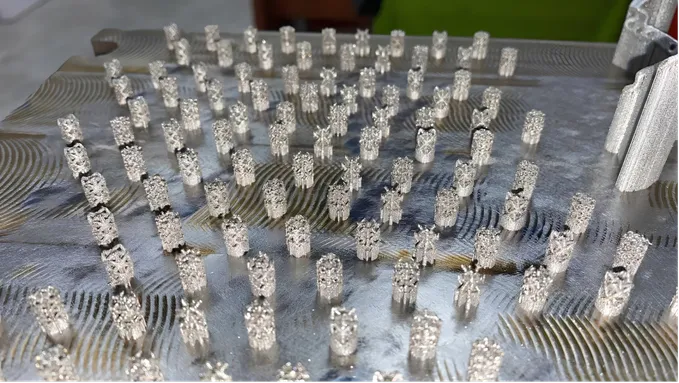
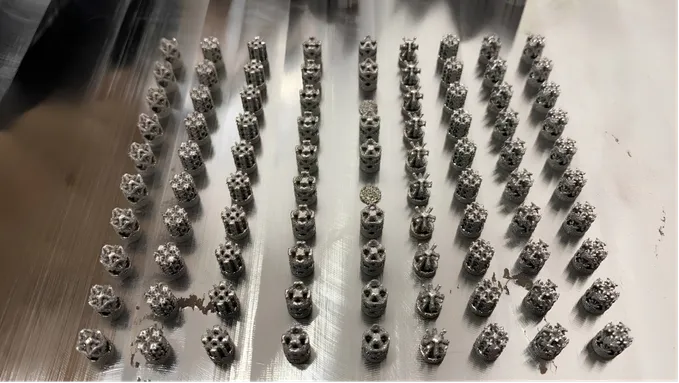
The 3D Printed Ticellium porous structure from Jajal Medical is an organic-cell porous titanium technology for patient-specific orthopaedic implants. Its structure is inspired by nature. It draws fluid upward through capillary action and is designed to encourage bone ingrowth at the bone–implant interface.
Capillary Action in a Porous Titanium Implant
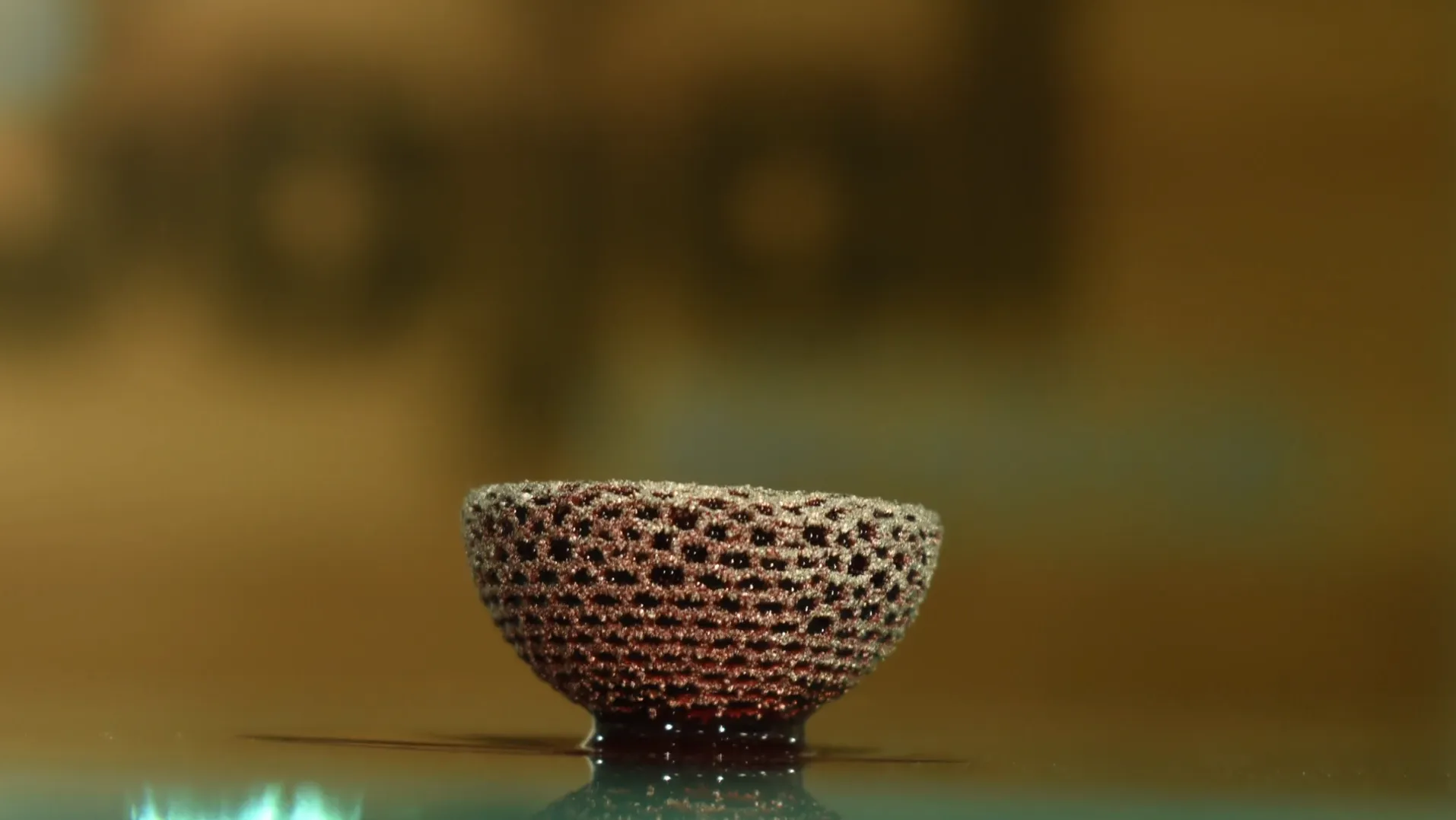
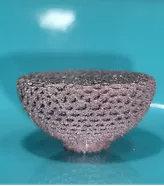
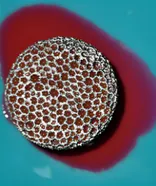
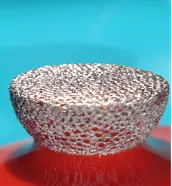
In this demonstration, a Ticellium cup is placed in a thin layer of hematic medium. Within seconds, the medium climbs up through the porous titanium walls against gravity and keeps moving until the whole structure is soaked.
This is capillary action. The tiny, connected pores pull fluid in and lift it upward. Because every cell connects to the next, the flow keeps going instead of stopping at a dead end.
What Is Ticellium Porous Titanium Technology?
Ticellium is Jajal Medical’s proprietary 3D printed porous titanium structure, refined through many iterations of additive manufacturing. Instead of a uniform grid, it uses asymmetrical, interconnected cells modelled on organic structures found in nature. The result is a scaffold with capillary-like channels running through it.
Why Capillary Action Matters for Bone Ingrowth and Osseointegration
Continuous fluid and nutrient flow
Capillary channels are designed to carry blood and body fluids deep into the implant, delivering the nutrients new bone needs.
Bone-friendly porous architecture
Asymmetrical cells are designed to encourage biological bone ingrowth.
Stronger implant integration
Ticellium targets the bone–implant interface directly, to support long-term fixation and osseointegration.
Fully patient-specific
Because it is 3D printed, Ticellium can be built into custom implants designed from each patient’s CT scan.
Implants Available with Ticellium
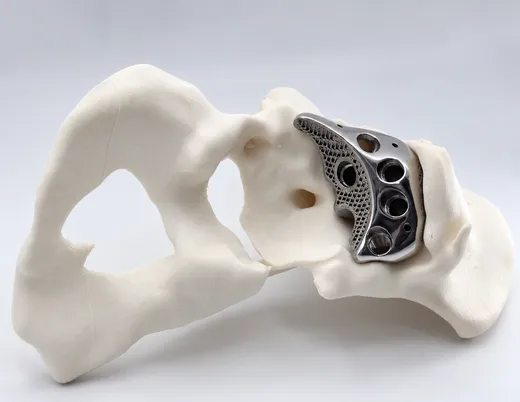
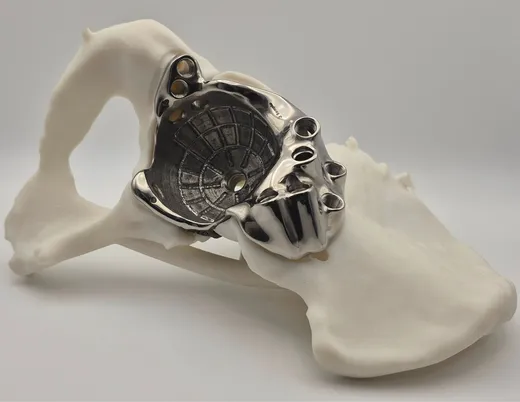
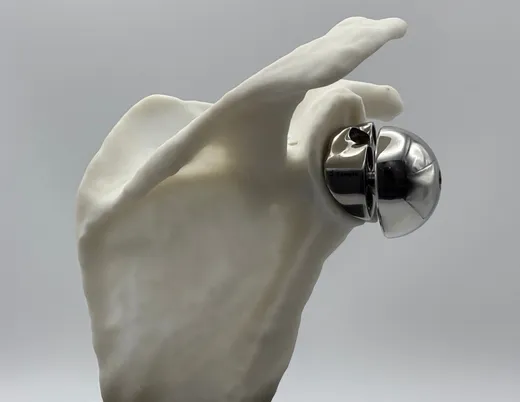
Ticellium isn’t limited to one product. The 3D Printed Ticellium porous structure from Jajal Medical is used across our implant range, including:
Frequently Asked Questions
What is Ticellium?
Ticellium is a 3D printed porous titanium structure developed by Jajal Medical. Its organic, interconnected cells are designed to encourage bone ingrowth in patient-specific orthopaedic implants.
How does a porous titanium implant absorb fluid against gravity?
Through capillary action. The small, connected pores in the Ticellium structure pull fluid inward and upward, so blood and body fluids can travel through the implant.
Why is porous titanium used in orthopaedic implants?
A porous surface gives bone space to grow into the implant. This supports osseointegration and long-term stability compared with a smooth surface.
Which Jajal Medical implants use Ticellium?
Ticellium is used across Jajal Medical’s implant range, including Bose CCD Augments, the FTL Cup and the Shoulder ReGlen implant.
Are Ticellium implants patient-specific?
Yes. Each implant is designed from the patient’s own imaging and 3D printed to match their anatomy.
Bring Ticellium to Your Patients
Jajal Medical makes 3D visualisation, pre-operative planning and custom 3D printed implants the standard of care for complex surgeries. Contact our team to plan your next case with the 3D Printed Ticellium porous structure from Jajal Medical.