
Total Talus Replacement
Patient-specific, CT-based
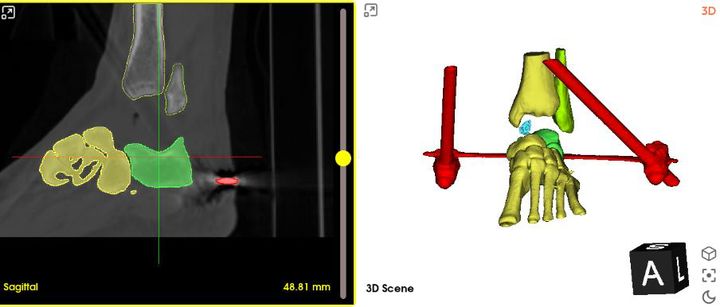
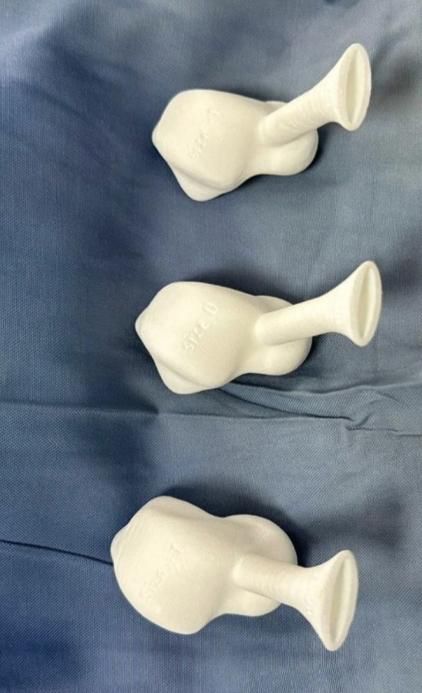
A CT-based customised solution for total talus replacement — an ideal option in trauma cases where the neighbouring joint still has substantial cartilage. Bilateral ankle CT drives the 3D talus: the healthy side is mirrored and registered onto the damaged talus, then delivered in three sizes with a T-handle trial instrument for optimisation in theatre.
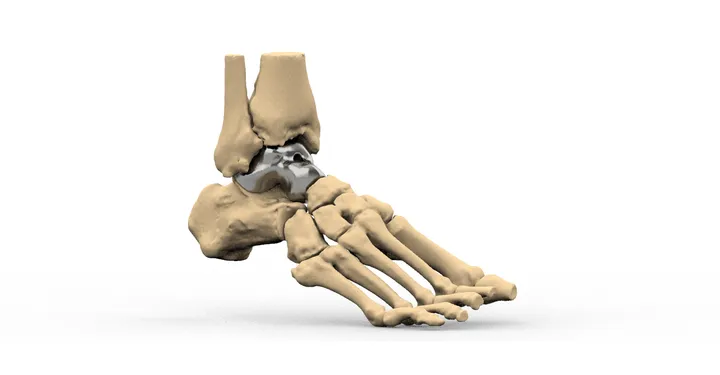
Engineered around the patient's anatomy
Mirrored from the healthy side
A bilateral ankle CT is the design input: the healthy talus is mirrored and registered onto the damaged side.
Accurate registration
Registration in Mimics and Freeform assures congruency and restores the patient's pre-injury condition.
Three sizes per case
Soft-tissue balancing varies, so every plan ships neutral, upsize and downsize proposals.
T-handle instrument
Sizing is optimised in theatre with a dedicated T-handle trial instrument.
For trauma with healthy neighbours
An ideal option where the neighbouring joint still has substantial cartilage.
This implant in theatre
 Ankle
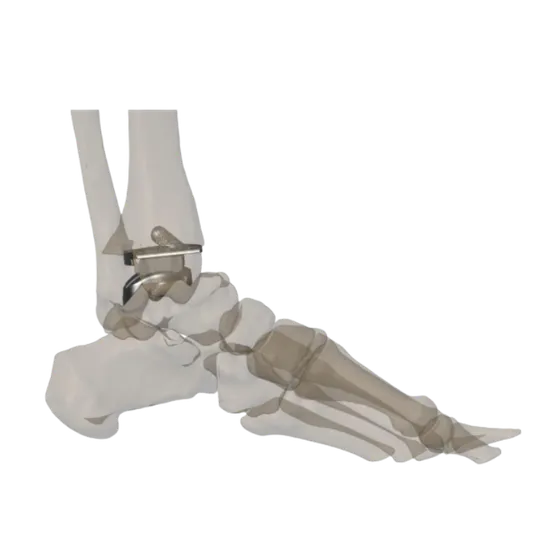
AnkleCustom Total Ankle Replacement Using a Patient-Specific 3D-Printed Implant
A 48-year-old female with advanced osteoarthritis of the left ankle, where complex biomechanics and unique anatomy made conventional implant reconstruction difficult.
Read the case →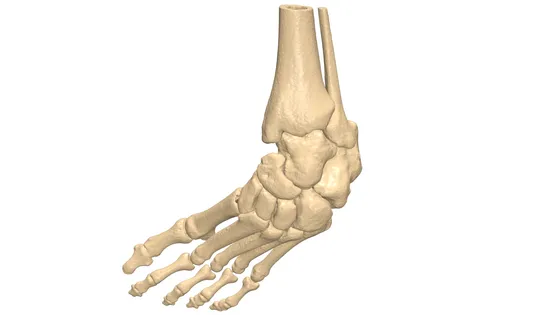 Foot & ankle
Club Foot Virtual Planning
Virtual osteotomy sequence and pre-op model for congenital talipes equinovarus
Read the case →Reference Documents
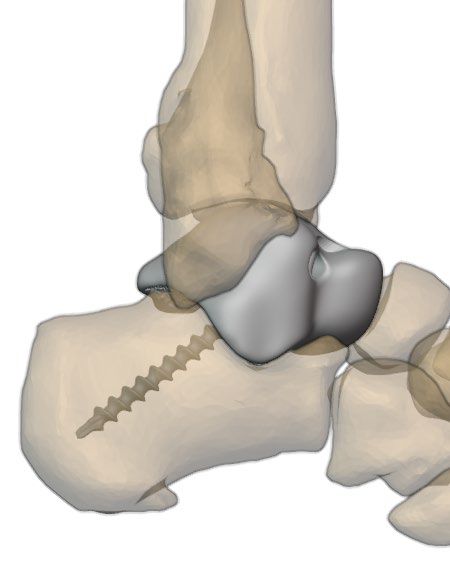
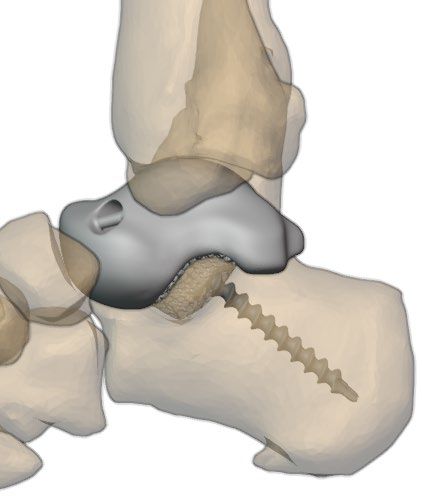
Total talus replacement — C2 implant plan
An anonymised example of the plan a surgeon approves before manufacturing — here a C2 total talus replacement for a 55-year-old man.
Pre-operative condition
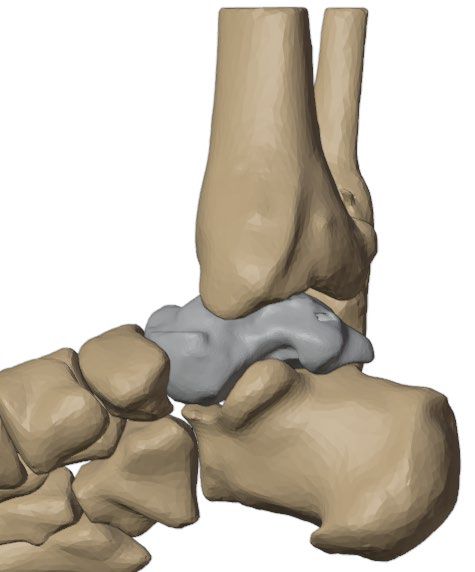
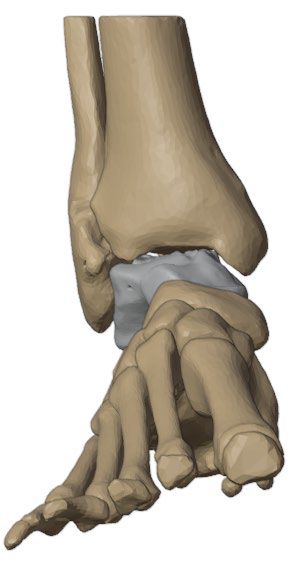
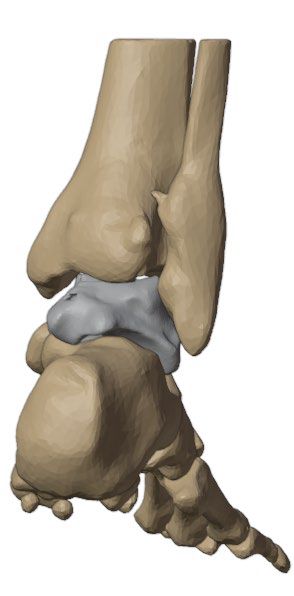
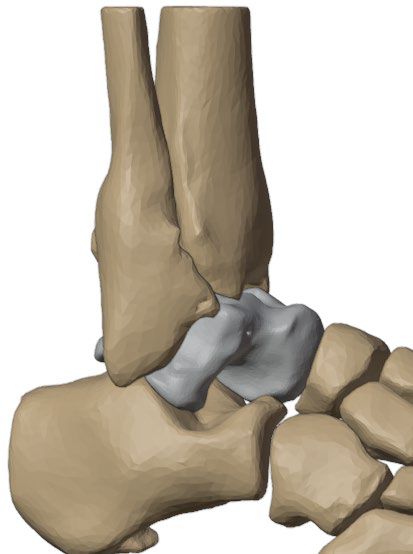
Implant details
- Talar body reconstructed to the patient's own articular geometry
- Suture holes for soft-tissue reattachment
- 6.5 mm locking screw through the talar neck into the calcaneus
- Porous structure on the bone-facing surfaces for osteointegration
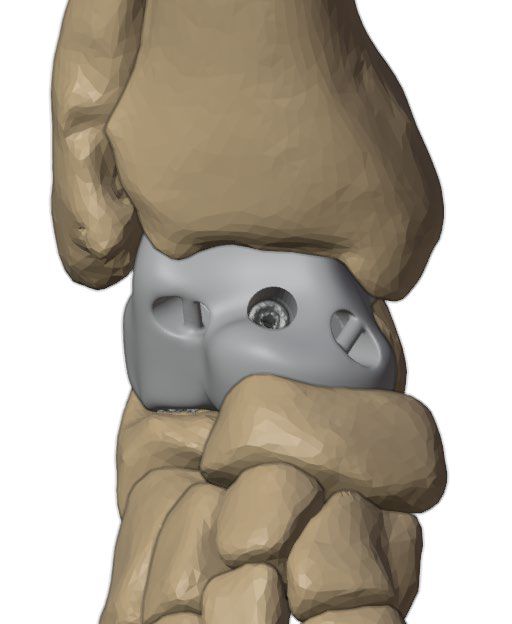
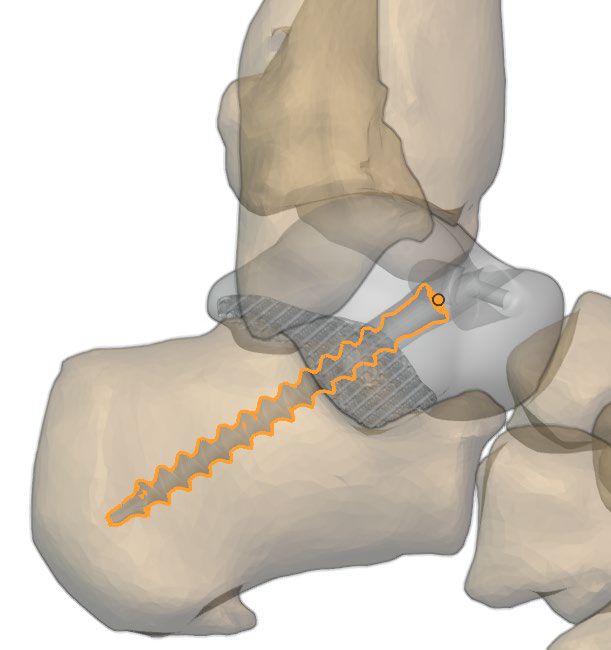
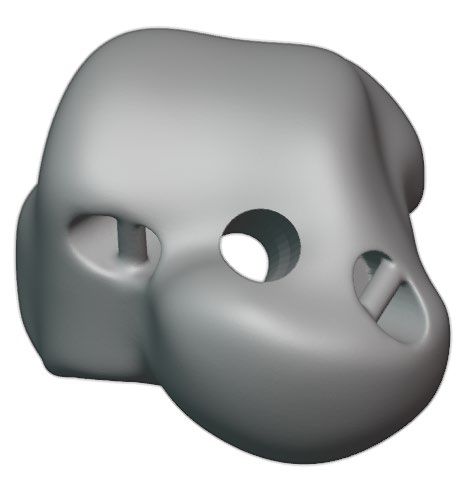
Planned post-operative position
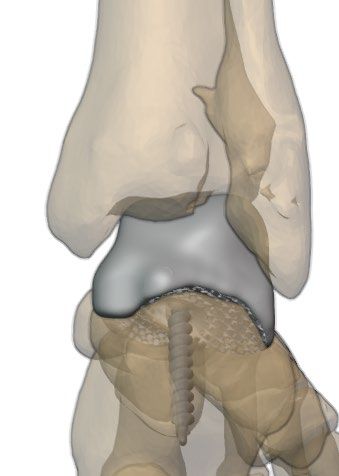
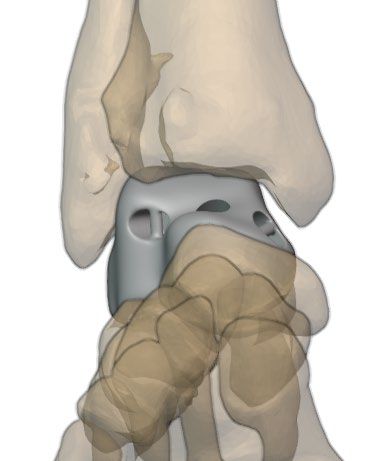
Confidential — Jajal Medical's intellectual property. Shown as a sample of planning output.
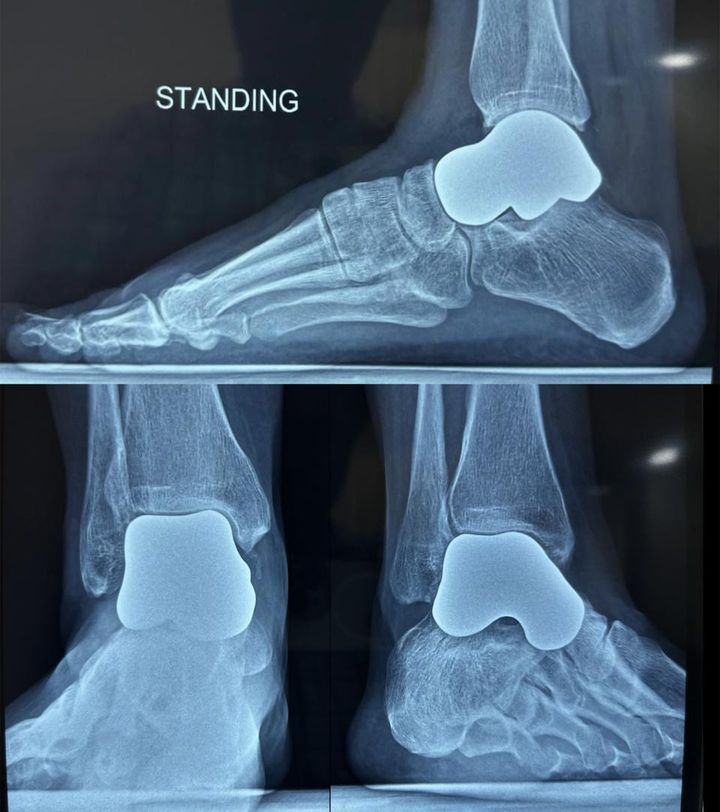
Outcomes of total talus replacement using a custom 3D-printed metallic prosthesis
Dr Rajiv Shah, Dr Samarth Thakkar, Dr Shivam Shah — Foot and Ankle Surgeons. Award-winning Masalawala paper presentation, WIROC 2025.
Study design
- Prospective study across two tertiary care hospitals, 2018 to 2024 — 16 cases, 15 implanted.
- Indications: collapse following AVN (8, Ficat stage 3), neglected or non-reconstructible complex talar fractures (5), talar extrusion with bone loss (3).
- Excluded: infection, soft-tissue loss, adjacent fractures needing procedures, arthritis of adjacent joints from prolonged collapse, neuropathy, age under 18.
- Pre- and post-operative VAS and AOFAS scores; weight-bearing radiographs, MRI and CT for planning.
Prosthesis production
- Bilateral ankle CT segmented and mirrored in MySegmenter.
- STL taken into Geomagic Freeform for digital sculpting and contour analysis.
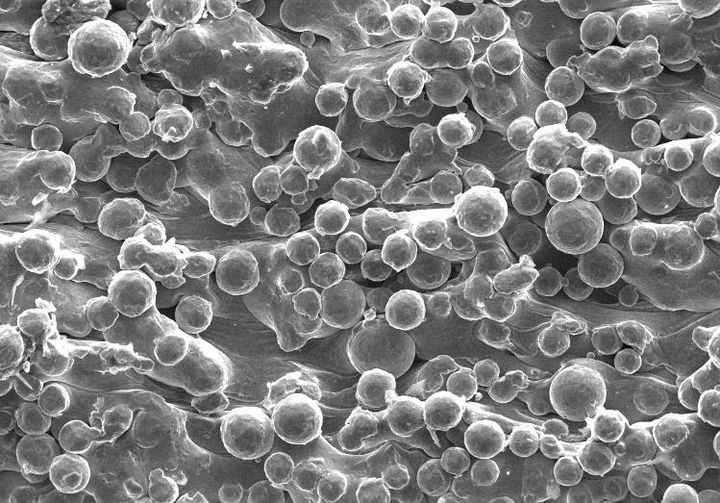
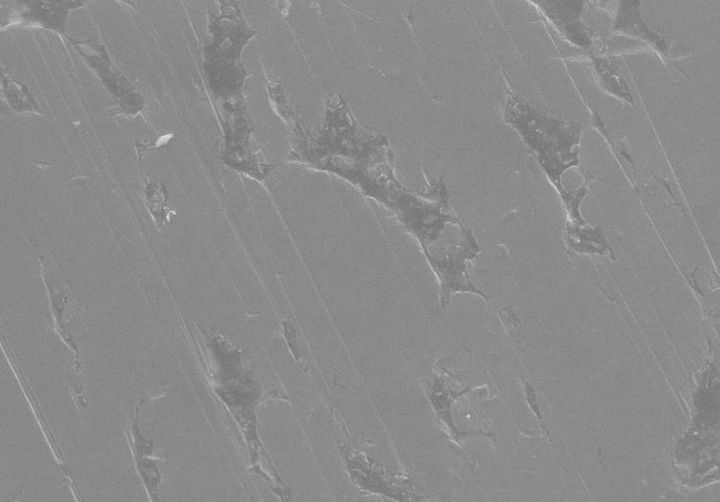
- Additive manufacture in Ti6Al4V by direct metal laser sintering of the mirror-imaged talus.
- Surfaces polished to reduce friction and roughness; three sizes (−1, 0, +1) at 0.5 mm increments, supplied with plastic trials and an inserter handle.
Surgical sequence and protocol
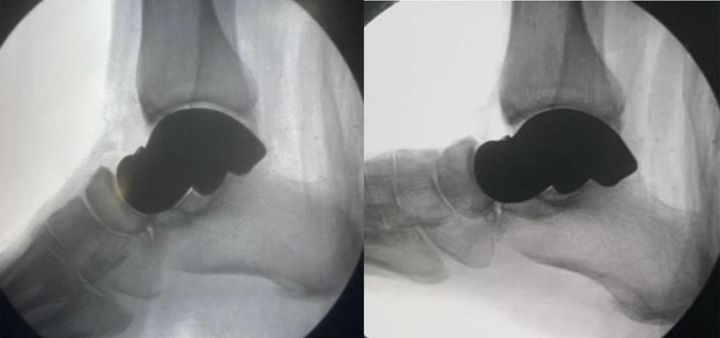
Piecemeal talar excision to an empty mortise, trial for range of motion and stability, then implantation with the inserter handle. Below-knee cast for six weeks, ankle mobilisation from six weeks, weight-bearing in a boot from eight weeks, follow-up at 3, 6 and 12 months and annually.
Results
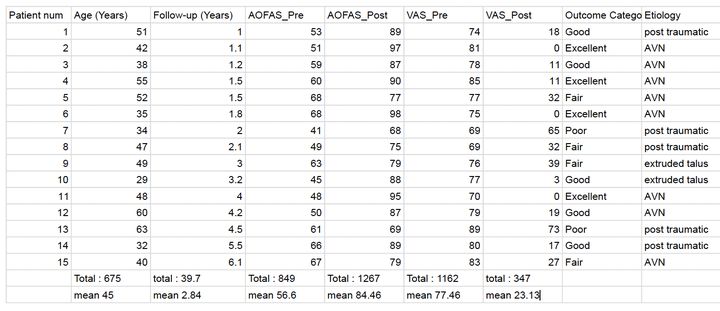
- 15 patients (10 male, 5 female); follow-up 1 to 6.1 years, mean 2.84 years.
- AOFAS improved from 56.6 ± 8.9 to 84.5 ± 9.3 (mean change +27.9; 95% CI 22.3–33.5; p<0.001).
- VAS pain fell from 77.4 ± 5.9 to 23.1 ± 8.4 (mean change −54.3; 95% CI 48.7–59.9; p<0.001).
- Complications: wound dehiscence or superficial SSI 2, superficial peroneal nerve neuritis 4, iatrogenic fracture 1, failure to implant 1 (on-table fusion), instability 1, heterotopic bone 2, adjacent joint arthrosis 3 (2 symptomatic); no deep infection, osteolysis or allergy. One revision (fusion).
Discussion and conclusion
Fewer than 200 total talus replacements are reported worldwide and the data is heterogeneous in technique, material and scoring. Third-generation custom prostheses show low complication rates with 5–10% needing revision; adjacent joint arthrosis appears in around a quarter of long-term cases, mostly managed conservatively. This series is the largest and longest from India, with one revision in 15 cases at up to six years.
The authors conclude that advances in 3D printing, metallurgy and prosthetic design make total talus replacement a viable motion-preserving option for destructive talar lesions, while long-term survivorship remains uncertain — so careful case selection, patient counselling and technological support are recommended.
Summary of a conference paper presentation, reproduced with the authors' figures.
Planning a case? Send us the CT.
Send an anonymised scan and get your first 3D visualisation back within 24 hours.