
FTL Cup
Flanged triflange cup for severe acetabular bone loss and pelvic discontinuity.
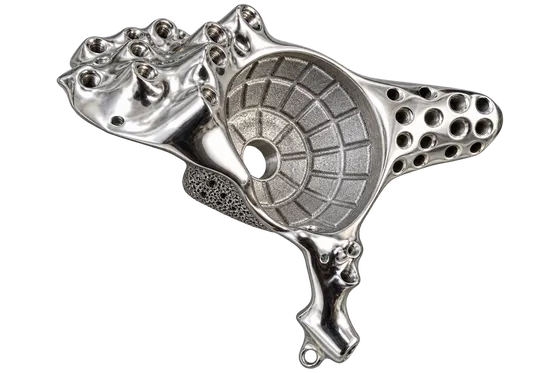
The FTL (Flanged Triflange) Cup is a custom acetabular component for the most severe defects — Paprosky IIIA/IIIB bone loss, pelvic discontinuity and post-oncology reconstruction — obtaining fixation from the ilium, ischium and pubis while restoring the hip centre.
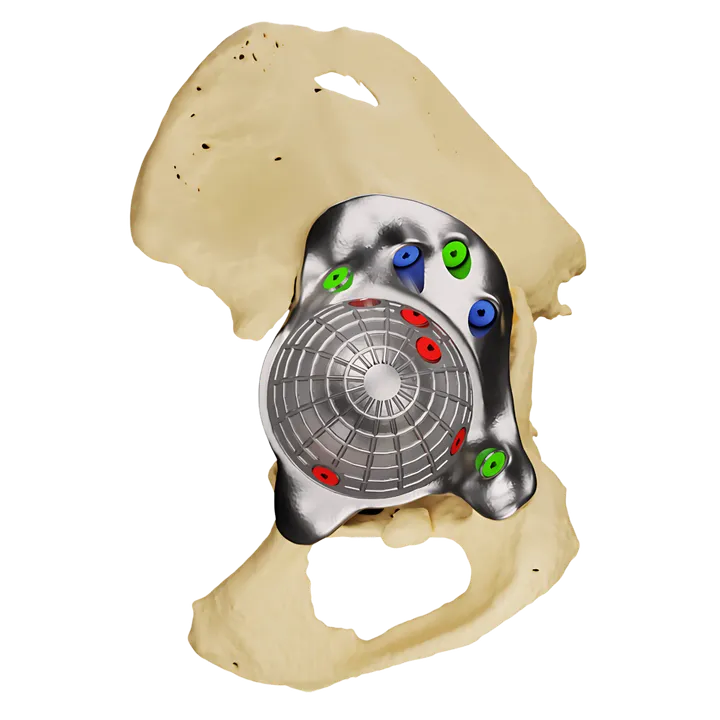
Engineered around the patient's anatomy
Three-flange fixation
Iliac, ischial and pubic flanges engage the best available host bone for rigid fixation.
Bridges discontinuity
Spans pelvic discontinuity as a single construct, protecting the reconstruction.
Restores the hip centre
Cup position is planned to restore a correct, stable hip centre of rotation.
Porous ingrowth surfaces
Bone-facing surfaces carry a porous lattice for long-term biological fixation.
Planned screw trajectories
Every screw path is planned into quality bone stock, away from critical structures.
This implant in theatre
 Pelvis
Pelvic Tumour Reconstruction Using Patient-Specific FTL Cup for Acetabular and Ischial Involvement
Planned resection, patient-specific jigs and custom fixation
Read the case →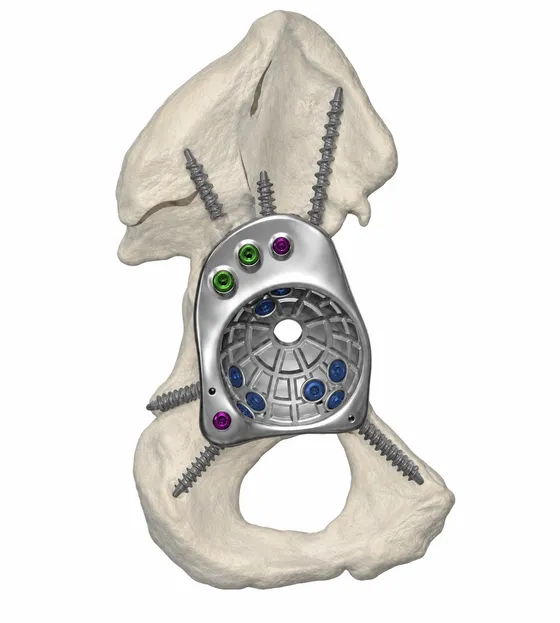 Hip
HipCustom FTL Cup for Complex Revision Hip Replacement
Massive anterior column bone loss reconstructed with a patient-specific FTL cup
Read the case →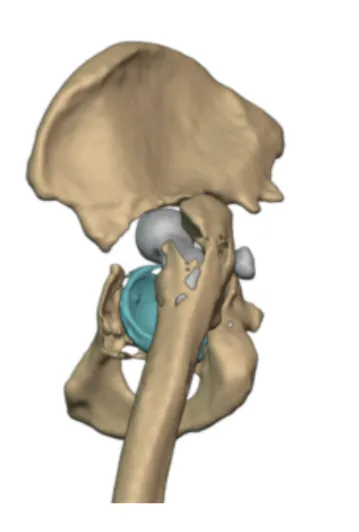 Revision hip
Customized FTL cup for Pelvic Discontinuity
Bilateral cup failure and pelvic discontinuity reconstructed with a custom FTL implant
Read the case →Reference Documents
Pelvic discontinuity — acetabular cup-cage plan
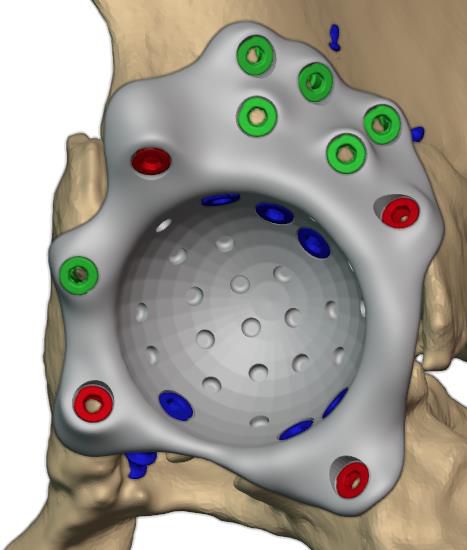
An anonymised example of the planning document a surgeon receives for approval before manufacturing — here a custom acetabular cup-cage for pelvic discontinuity. Case identifiers have been removed.
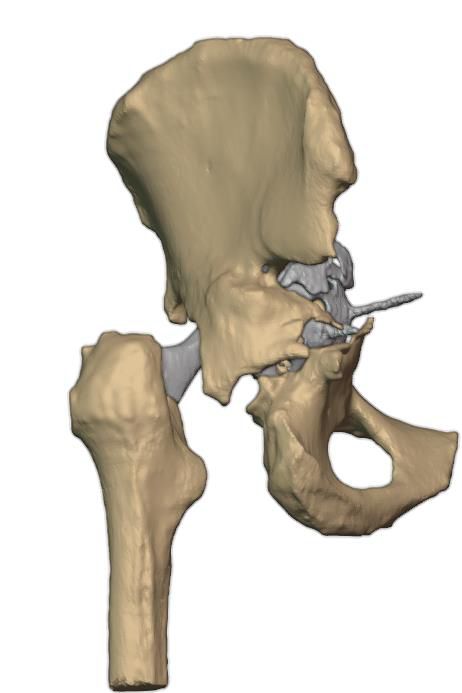
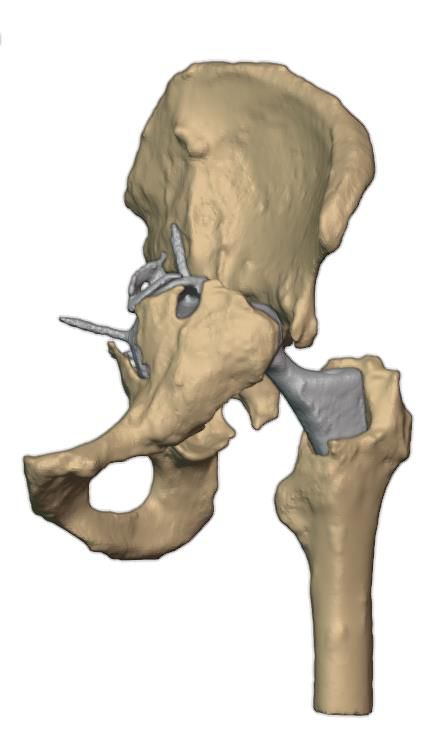
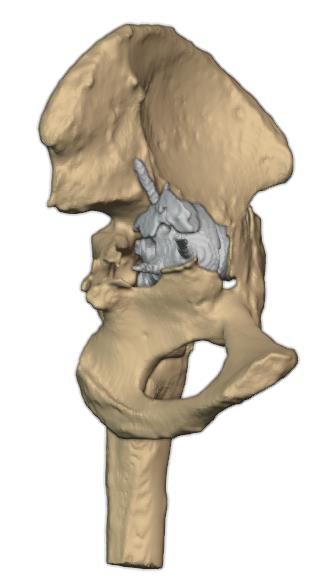
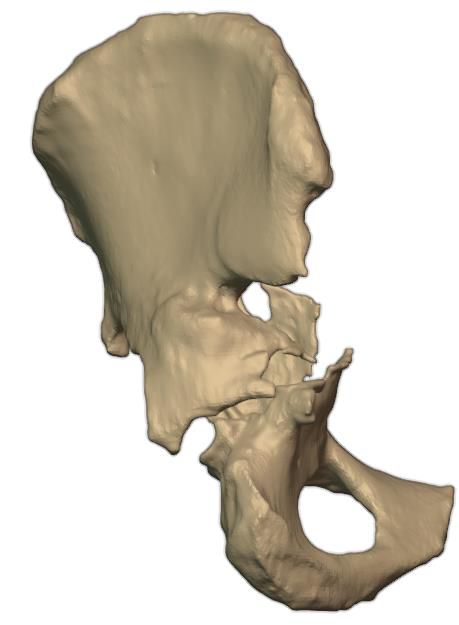
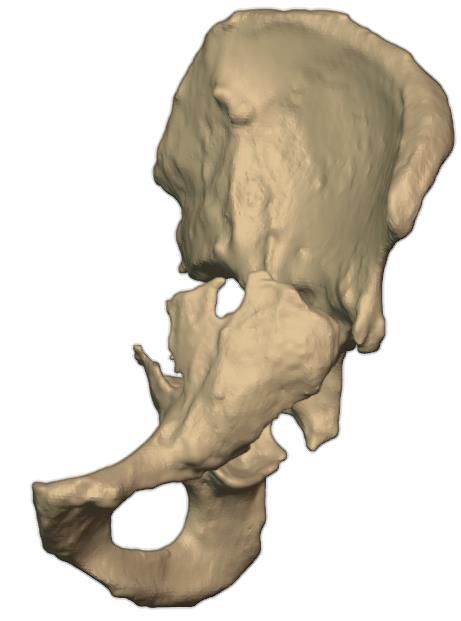
Pre-operative anatomy
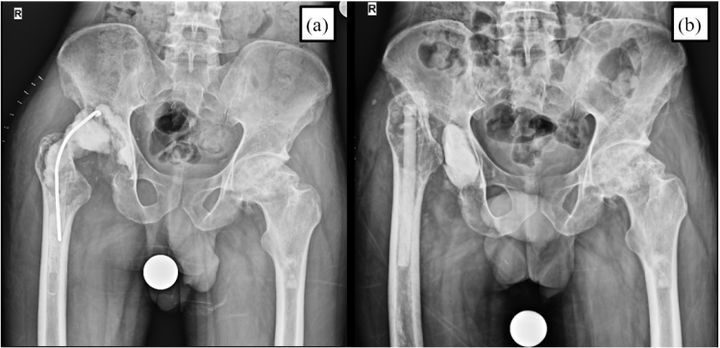
The pelvis is segmented from the CT and reviewed in every plane so the extent of bone loss and the discontinuity are understood before any implant is drawn.
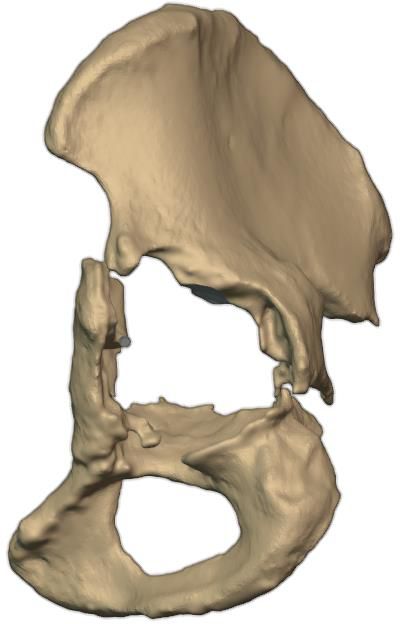
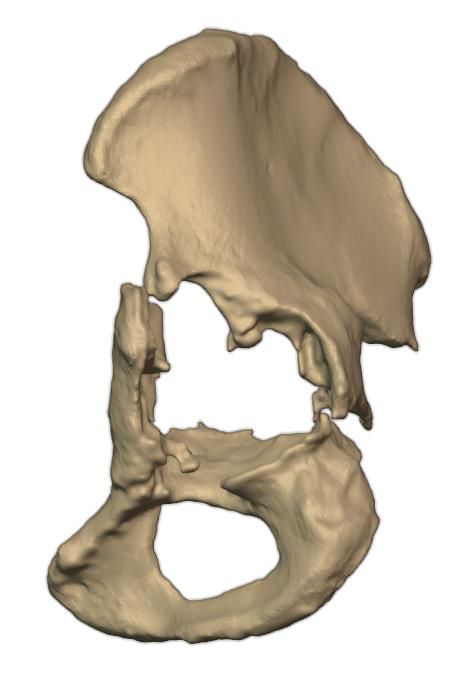
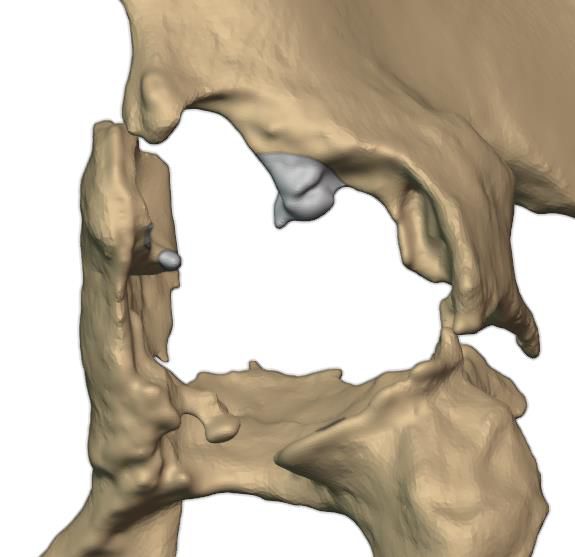
Planning method
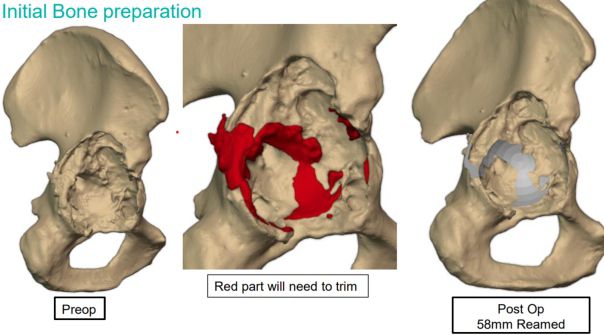
The reconstruction is rehearsed against the native anatomy: reaming is planned to a 58 mm reamer and the bone that needs trimming is marked so the cage seats on host bone.
Implant details
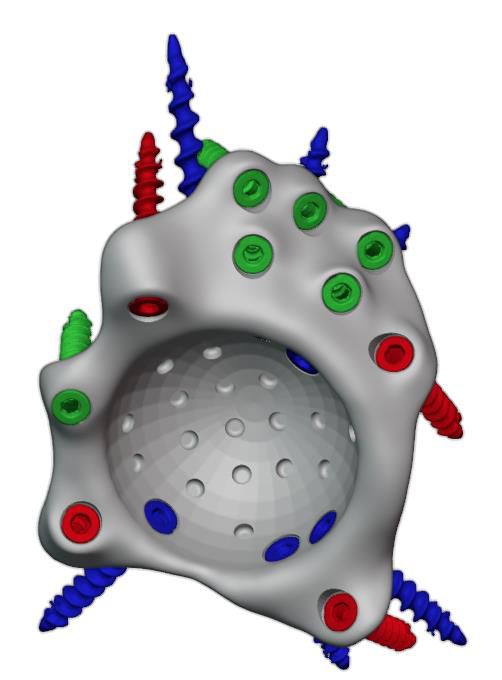
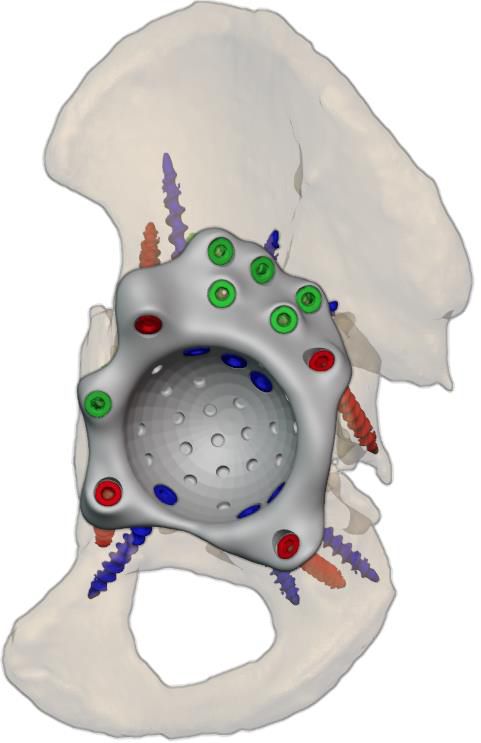
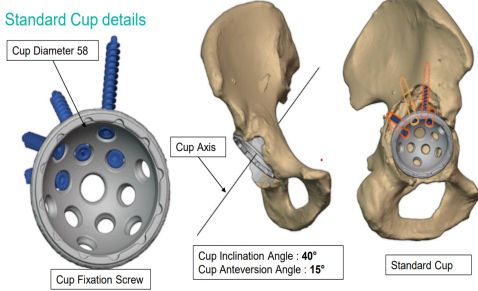
Iliac, ischial and pubic flanges are drawn to the patient's bone, with a porous surface for osteointegration and perforation holes for graft and fixation.
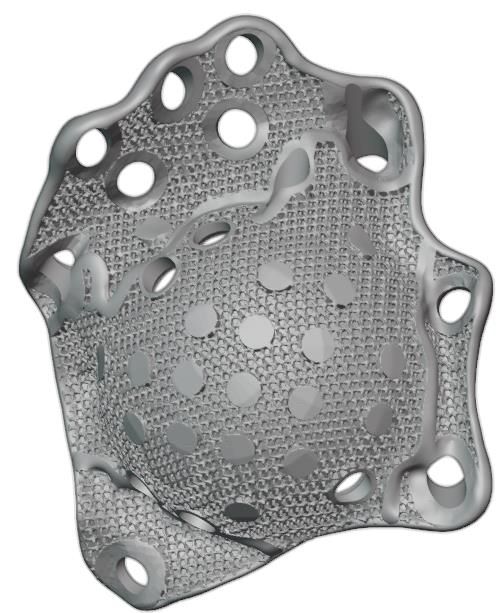
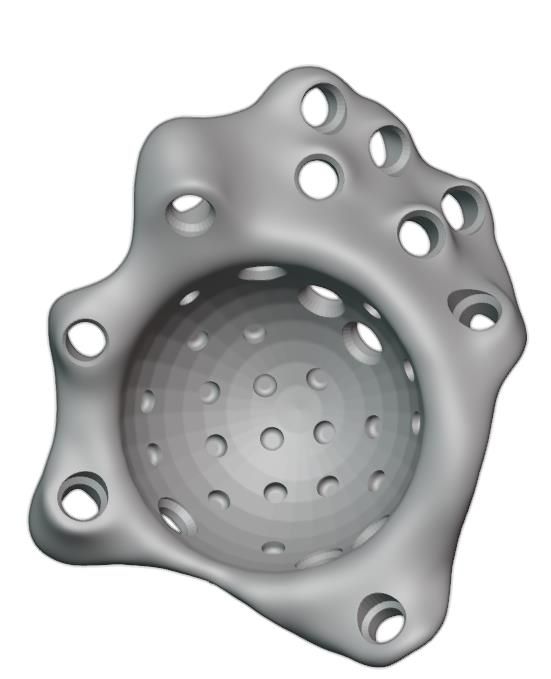
Customised cage specification
- Flange thickness: 3 mm
- 7 × 6.5 mm screw holes on the iliac flange
- 2 × 6.5 mm screw holes on the pubic flange
- 1 × 6.5 mm counter-sink hole on the ischial flange
- 6 × 6.5 mm magic screw holes as shown
- Cup outer diameter: 58 mm · inner diameter: 52 mm
- Cup inclination 45° · anteversion 20° (matched to the opposite side)
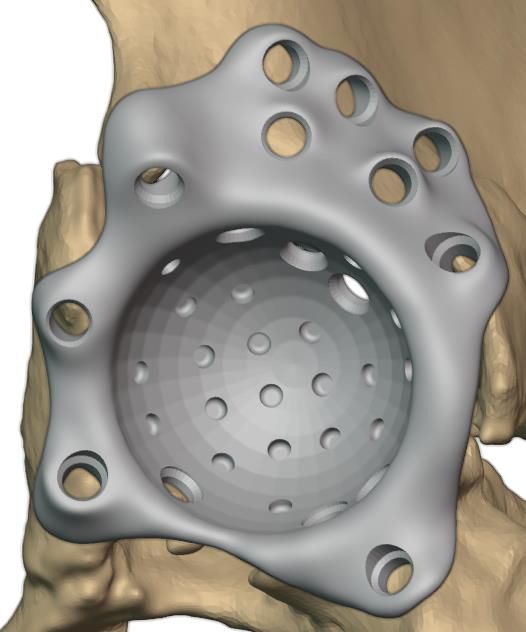
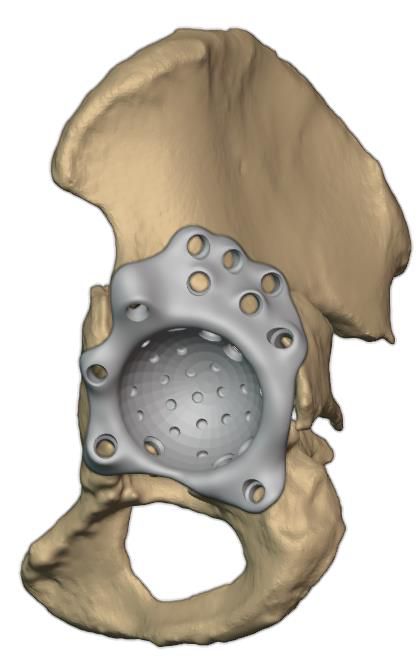
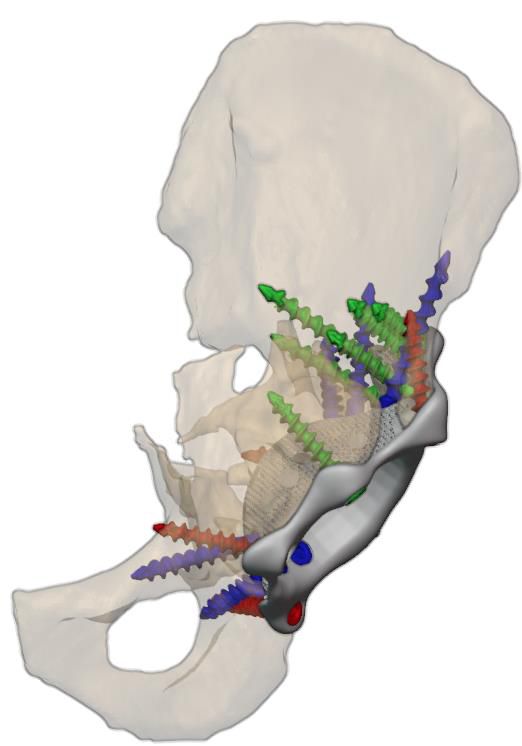
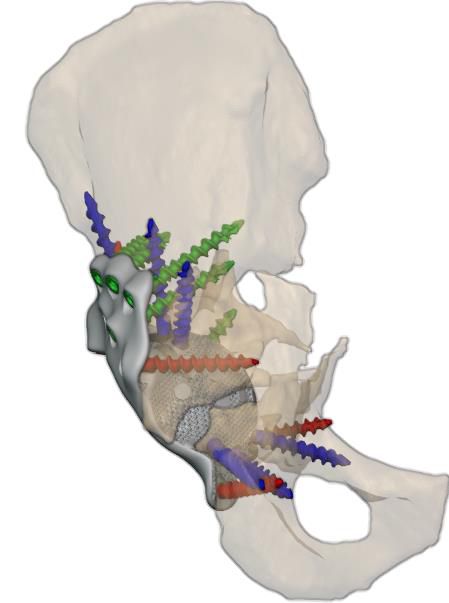
Implant position
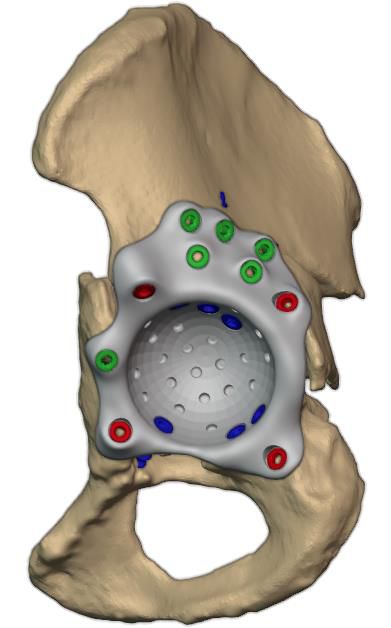
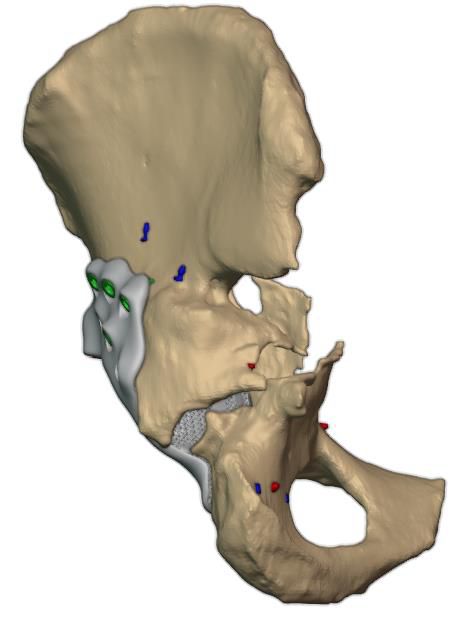
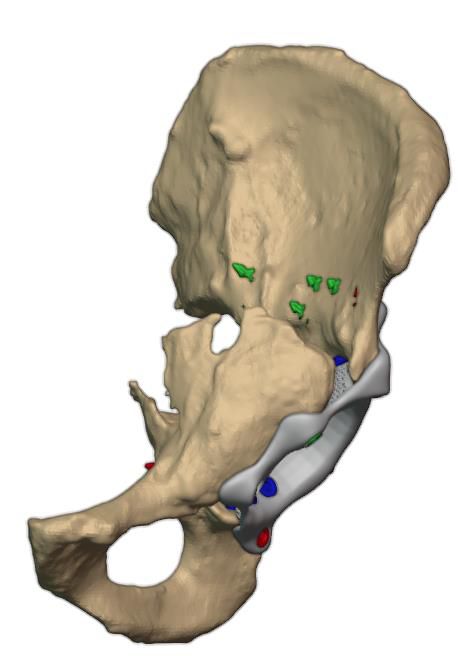
Screw plan
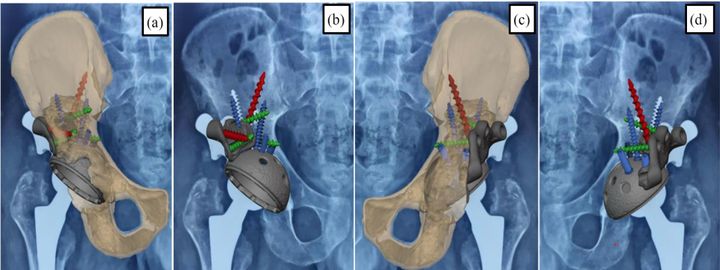
Red screws are locking, green are compression and blue are magic screws — each position chosen against available bone stock and away from critical structures.
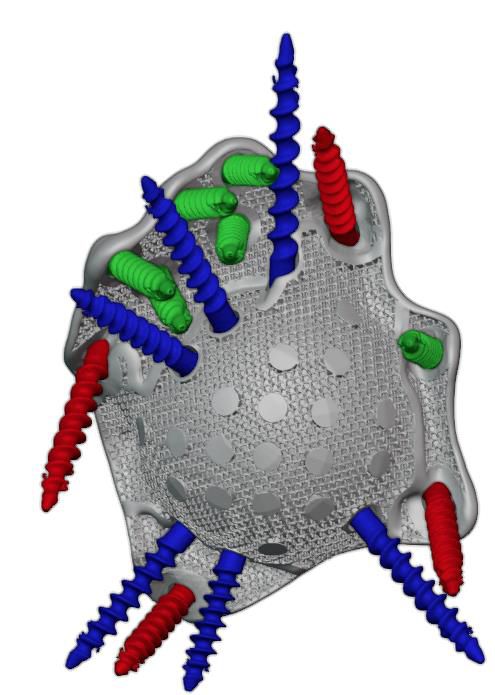
Screw lengths
Every screw length is supplied with the plan, so the set needed in theatre is known in advance — in this case ranging from 25 mm to 60 mm.
Confidential — Jajal Medical's intellectual property. Shown as a sample of planning output.
Custom-Made 3D-Printed Augments and Cup: An Effective Solution for Managing Severe Acetabular Bone Loss
Annapareddy A, Bose VC, Katariya AA, Mulpur P, Jayakumar T, Ansari M, Chandan S, Gurava Reddy AV. Journal of Orthopaedic Case Reports 2025 Jan;15(1):208–214.
Open access under CC BY-NC-SA 4.0 · DOI: 10.13107/jocr.2025.v15.i01.5180
Why the study was done
Around 12% of total hip arthroplasties need revision within 10 years, and revision of Paprosky type 3A and 3B acetabular defects is where standard augments and anti-protrusio cages struggle — re-revision rates of 20–36% at ten years are reported. The authors set out to assess function, accuracy and complications when custom 3D-printed augments and cages are used instead, and to document the planning and manufacturing route including cost and turnaround.
Method
- Retrospective multicentre series of seven revision THAs with Paprosky grade 3 bone loss, operated between January 2023 and April 2024 at two high-volume arthroplasty centres.
- Mean age 45 years (range 26–67); three male, four female. Custom augments in five patients, custom cages in two.
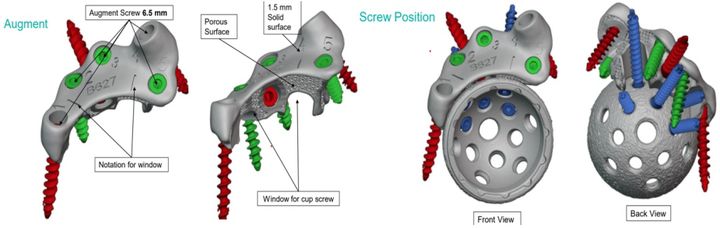
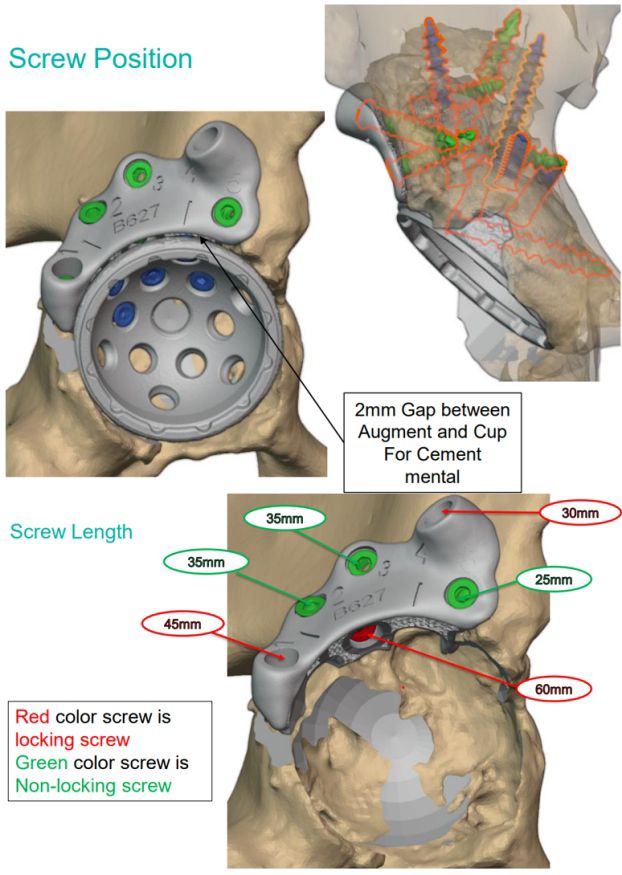
- Planning from 1 mm CT with metal-artefact reduction; pelvis reconstructed in MySegmenter and the implant designed in MyDesign (Jajal Medical Services).
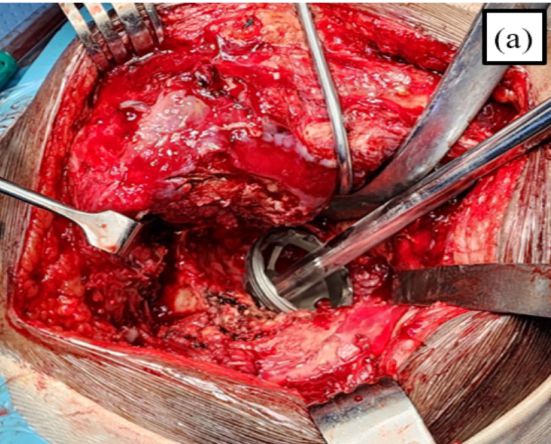
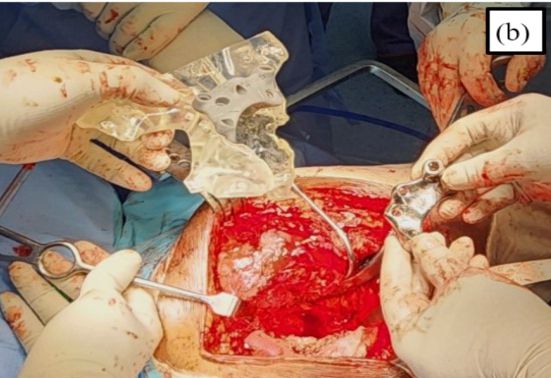
- Sterile 3D-printed plastic pelvis and augment models supplied for intra-operative comparison; final porous titanium implants autoclaved before surgery.
- Turnaround from decision to implant in hand: about 10 days, at a mean cost of roughly USD 1,000.
Planning sequence
In theatre
Results
- Mean Harris hip score at final follow-up 69.16 (range 61–76); mean maximum follow-up 7 months (1–12).
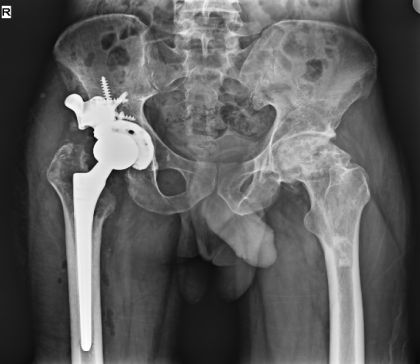
- Superimposing the pre-operative plan on post-operative radiographs showed 100% accuracy for cup and augment/cage position; screw direction and length were highly consistent but not exact.
- No radiographic signs of loosening in any patient at latest follow-up.
- One complication: a foot drop in a 26-year-old with a 3A defect, ambulating with an AFO and stick at five months.
Conclusion
Custom 3D-printed acetabular augments and cages were a reliable and cost-effective way to manage severe acetabular bone loss in revision THA, with accurate implant placement and no early loosening. The authors note the small sample and short follow-up, and call for larger series with longer follow-up to establish long-term efficacy.
Summary prepared from the open-access article; figures reproduced under CC BY-NC-SA 4.0 with attribution to the authors and the Journal of Orthopaedic Case Reports. Read the full paper →
Planning a case? Send us the CT.
Send an anonymised scan and get your first 3D visualisation back within 24 hours.