
Customized FTL cup for Pelvic Discontinuity
Bilateral cup failure and pelvic discontinuity reconstructed with a custom FTL implant
Patient overview
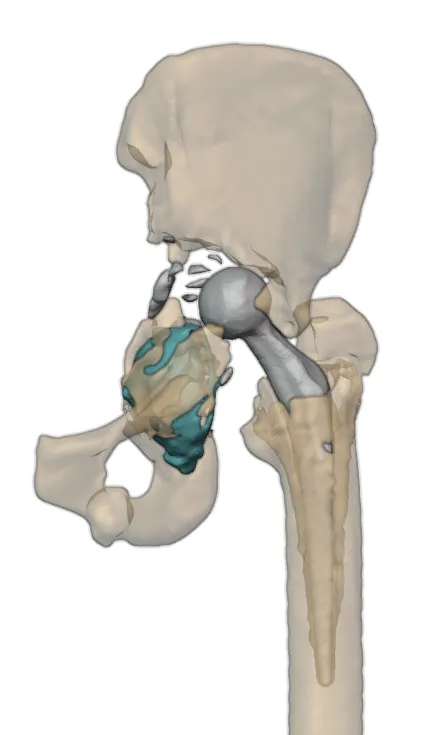
A 65-year-old female patient underwent primary hip replacement with standard cups on both hips. Postoperative CT scans revealed both cups had dislocated from the acetabulum cavity, indicating implant failure.
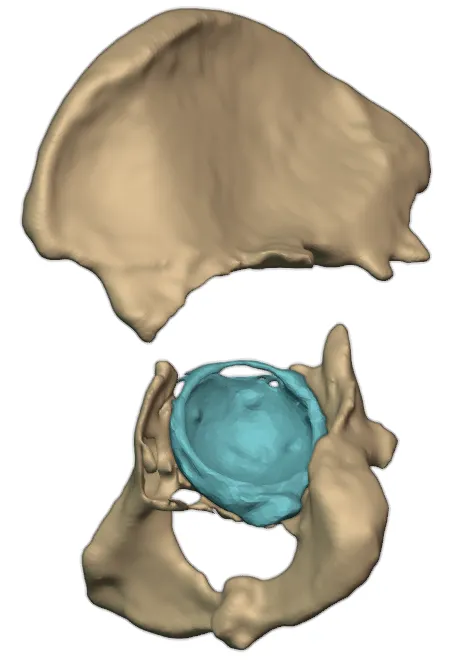
Further assessment showed bilateral pelvic discontinuity, requiring a precise and customised surgical approach.
Surgical planning
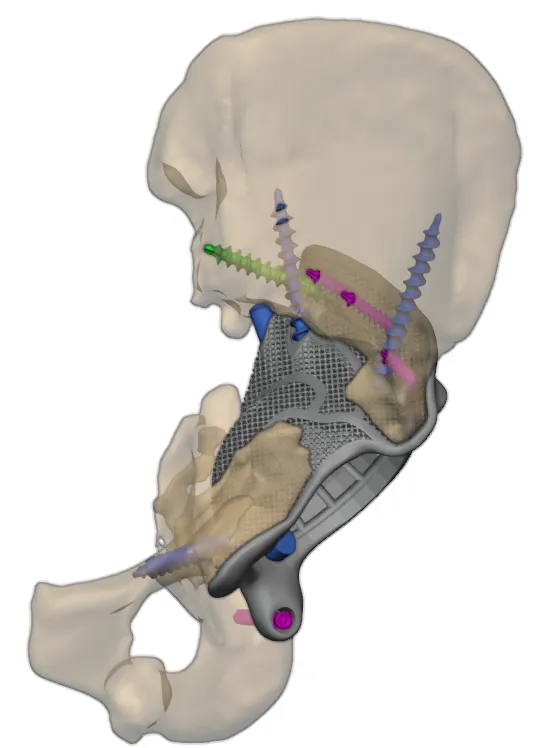
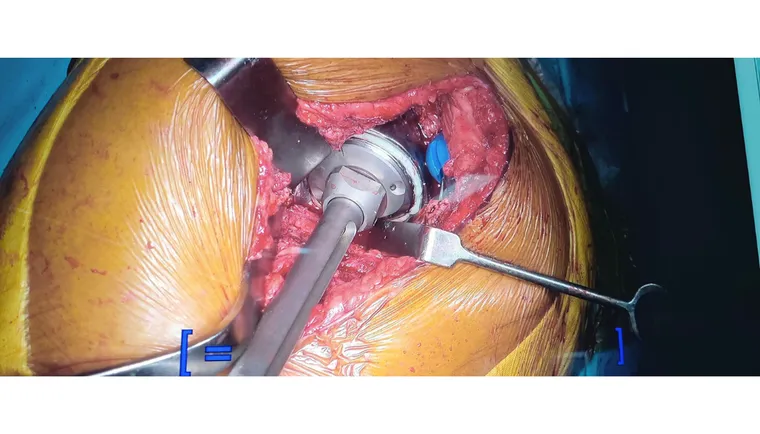
Collaborating with Dr. Ramneek Mahajan, the team meticulously planned the surgery. Based on detailed CT scans, a custom FTL (Flanged Triaxial Locking) implant was designed for the left hip.
Additionally, 3D FDM-printed models of both hips were created to identify deformities, ensuring thorough preoperative analysis and risk mitigation.
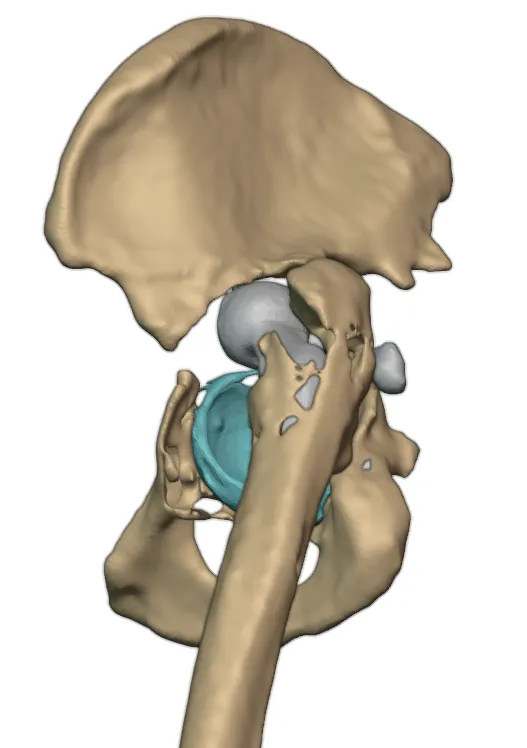
3D-printed, patient-specific implants
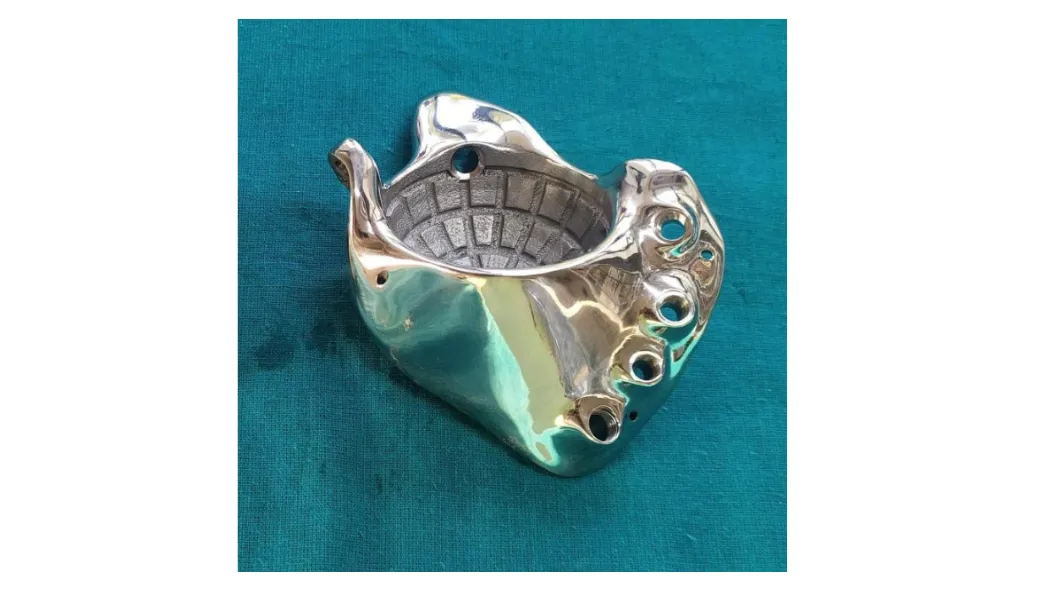
The custom FTL cup was manufactured using metal 3D printing technology with medical-grade titanium Ti6Al4V, chosen for its strength and biocompatibility.
The implant was tailored to fit the patient’s unique anatomy, providing enhanced stability and durability through its lightweight, bone-integrating structure.
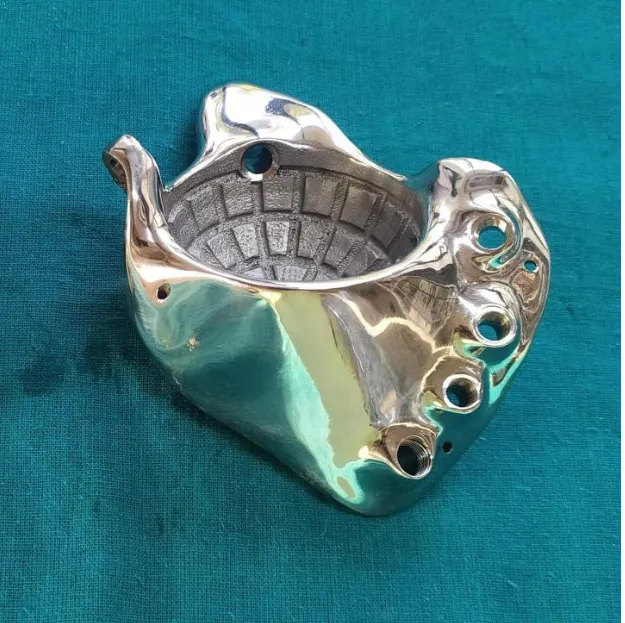
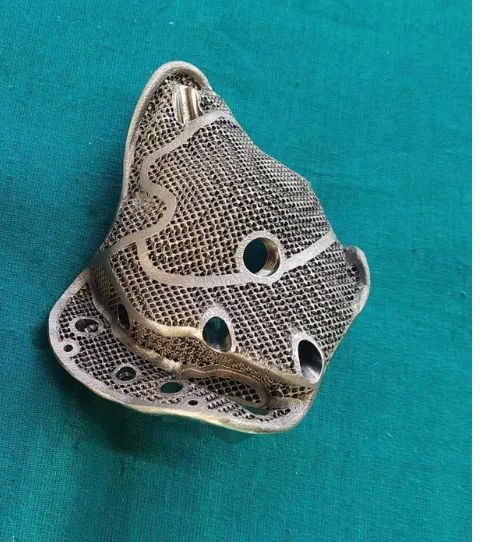
Post-op outcome
The surgery on the left hip was successful, with the implant fitting seamlessly. Dr. Ramneek Mahajan expressed satisfaction with the outcome, emphasising the crucial role of patient-specific design and detailed preoperative planning.
The patient showed great improvement in left hip stability and mobility, leading to a noticeable boost in overall quality of life. Thanks to the success of the left-side surgery, the upcoming procedure on the right side is expected to be smoother and more manageable.
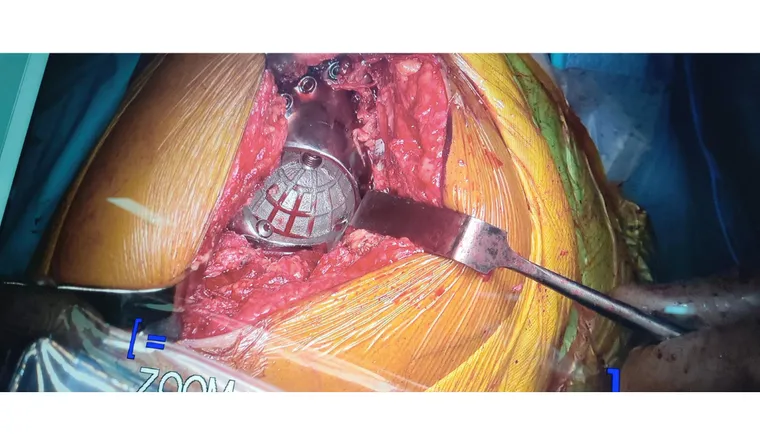
Related cases
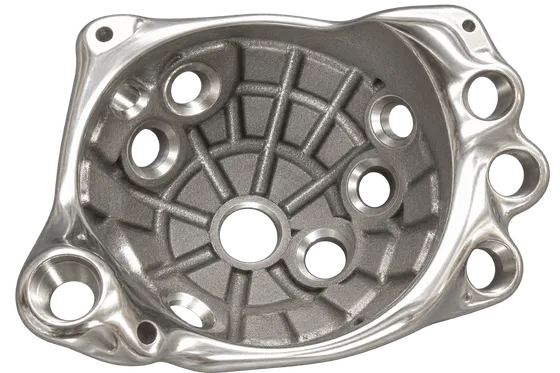 Revision hip
Complex Hip Revision with Severe Acetabular Bone Loss Using Patient-Specific FTL Cup
Multi-flange fixation for a deficient acetabulum
Read the case →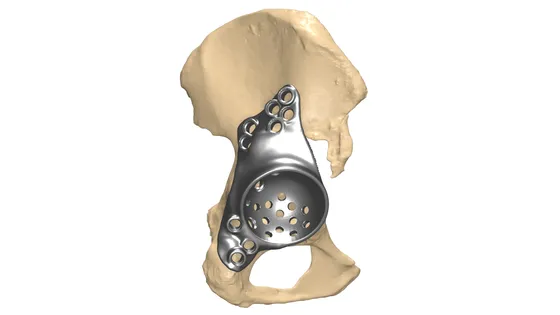 Revision hip
Custom Revision Hip Biflange Implant
Mirrored cage implant covering the acetabular defect after failed arthroplasty
Read the case →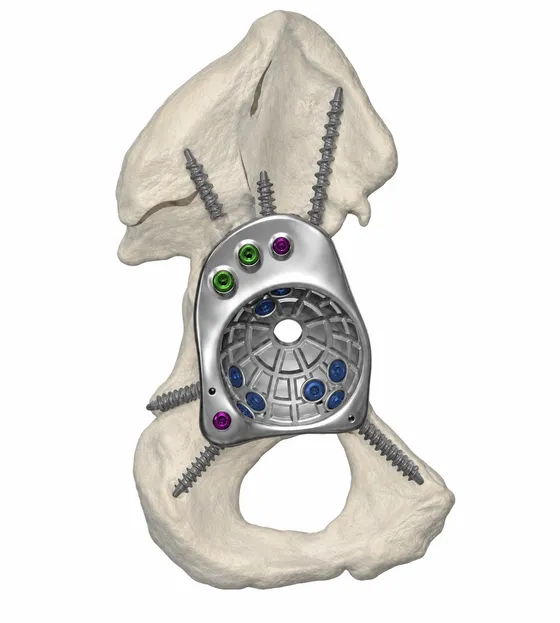 Hip
HipCustom FTL Cup for Complex Revision Hip Replacement
Massive anterior column bone loss reconstructed with a patient-specific FTL cup
Read the case →Have a case like this?
Send the imaging and the clinical question — first 3D visualisation back within 24 hours.