
ArthroDome
Hill-Sachs lesion custom augment
ArthroDome addresses Hill-Sachs lesions by accurately recreating the native contour of the humeral head, restoring joint stability and natural biomechanics in complex shoulder reconstruction. A microporous structure supports reliable osseointegration and long-term fixation, and every Dome is made to that patient's anatomy.
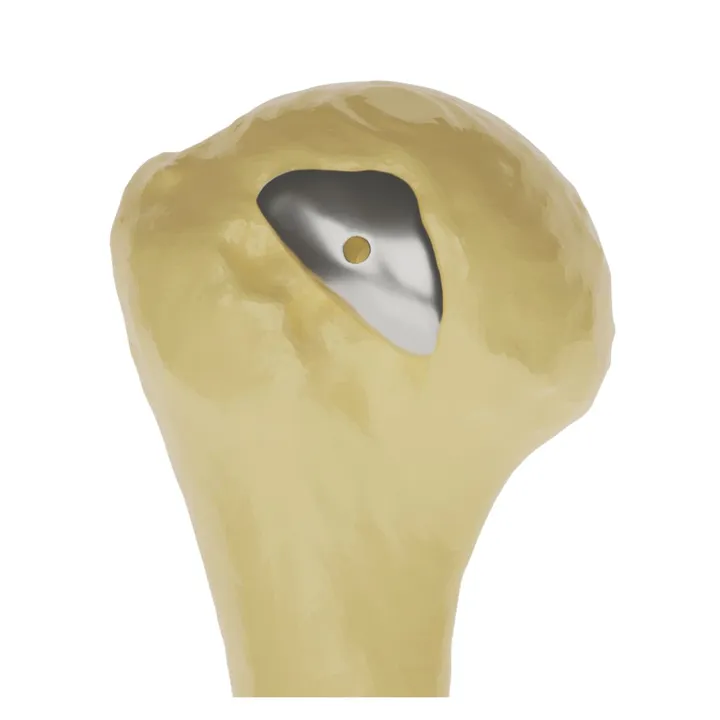
Engineered around the patient's anatomy
Matched to the humeral head
Custom-designed to recreate the native contour of that patient's humeral head.
For Hill-Sachs defects
Purpose-made for managing engaging Hill-Sachs lesions in complex shoulder reconstruction.
Microporous surface
An advanced microporous structure supporting reliable osseointegration and long-term fixation.
Patient-specific accuracy
Designed from the patient's own anatomy for accuracy, fit and construct stability.
Restored mechanics
Supports anatomical restoration and improved shoulder biomechanics after reconstruction.
This implant in theatre
 Shoulder
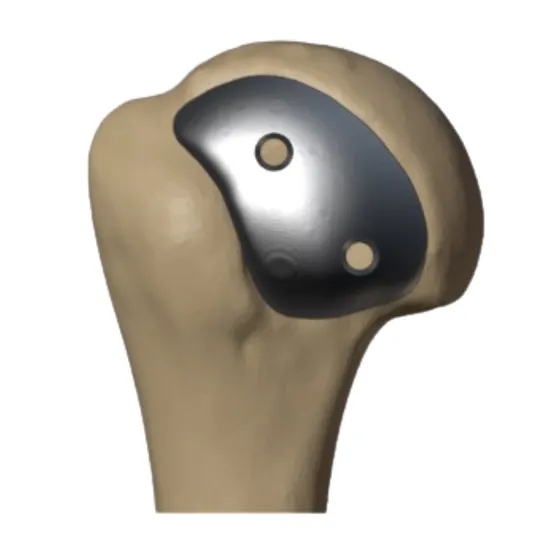
Custom Hill-Sachs Implant for Reconstruction of a Large Engaging Humeral Head Lesion
Patient-specific implant and drilling guide for a 22 × 41 mm humeral head defect
Read the case →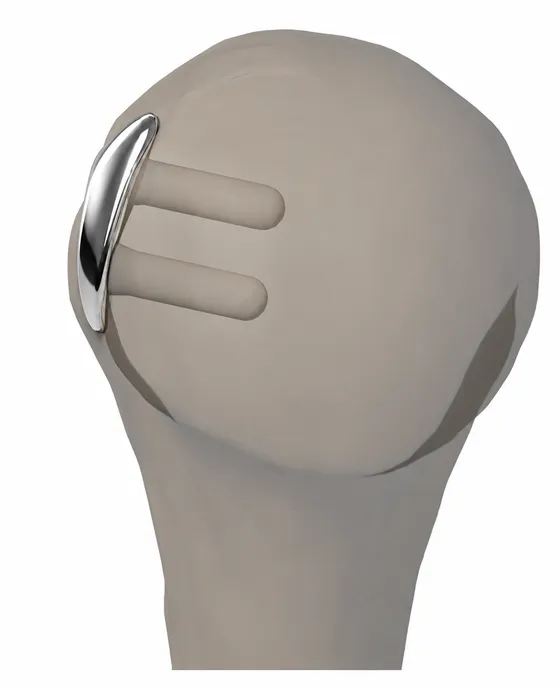 Shoulder
World's First Custom Implant for Hill Sachs Lesion
A pioneering “Fill Sachs” implant engineered to the patient's own humeral head curvature
Read the case →Reference Documents
Hill-Sachs lesion — ArthroDome implant plan
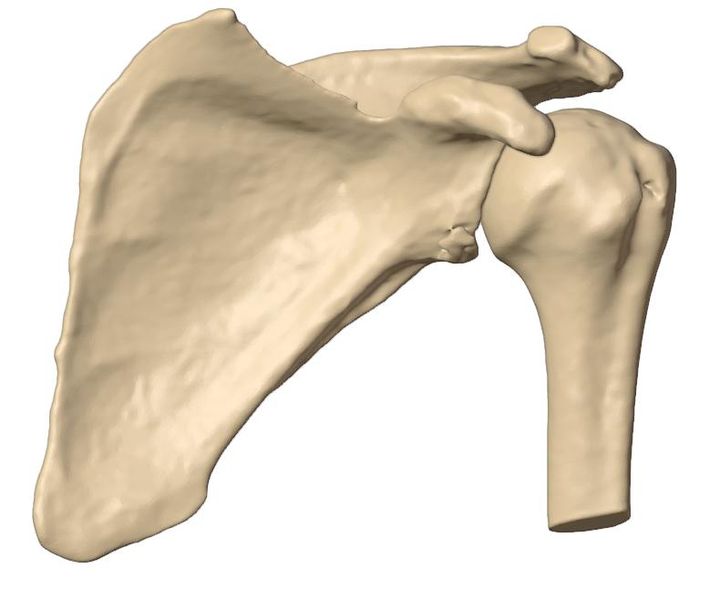
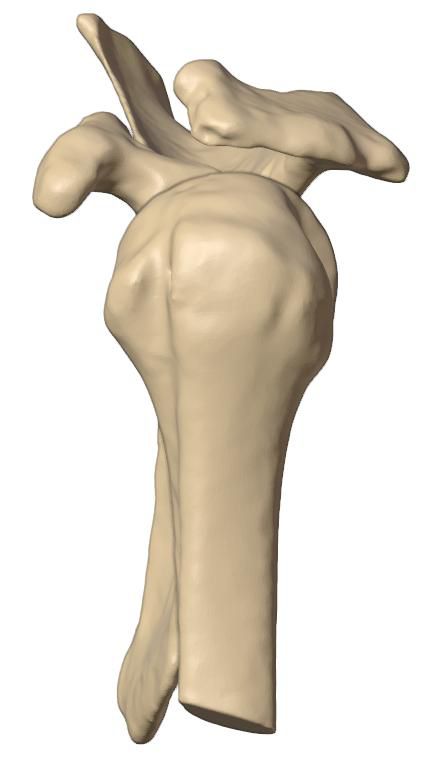
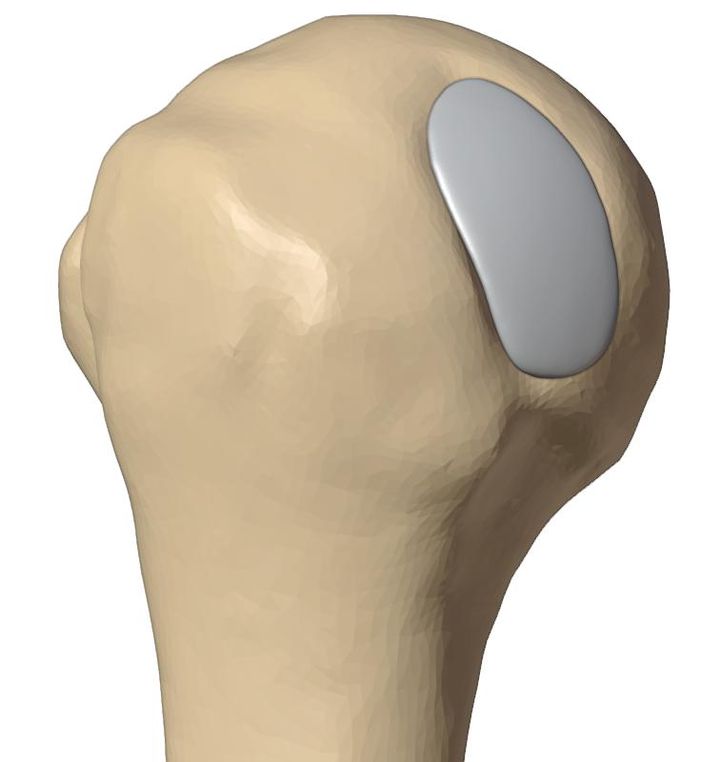
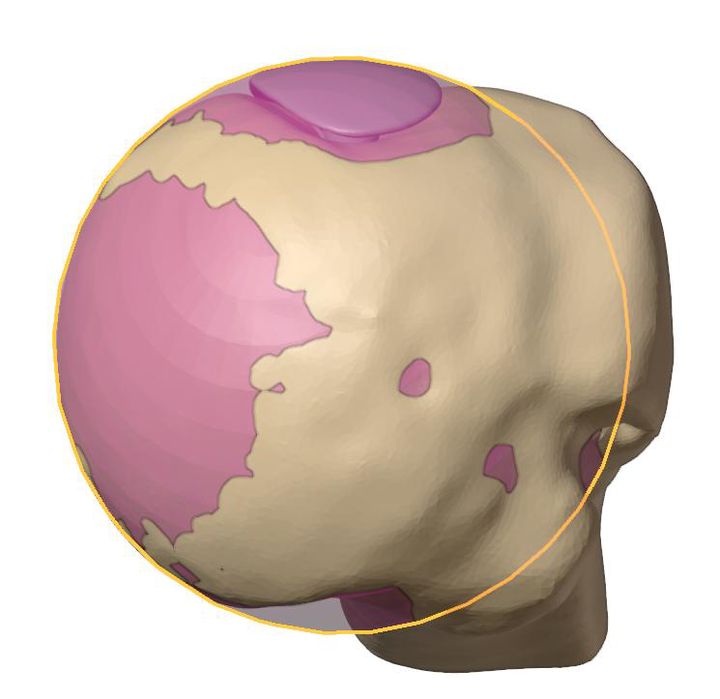
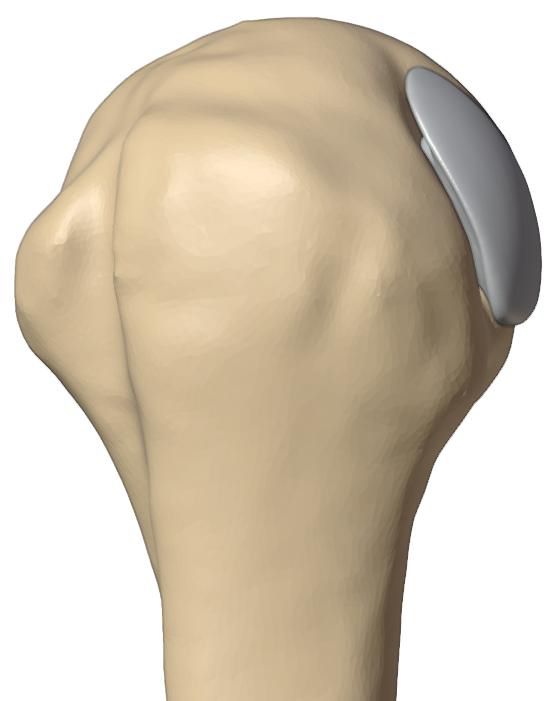
An anonymised example of the plan a surgeon approves before manufacturing — here an ArthroDome implant for an engaging Hill-Sachs lesion of the left shoulder.
Pre-operative condition
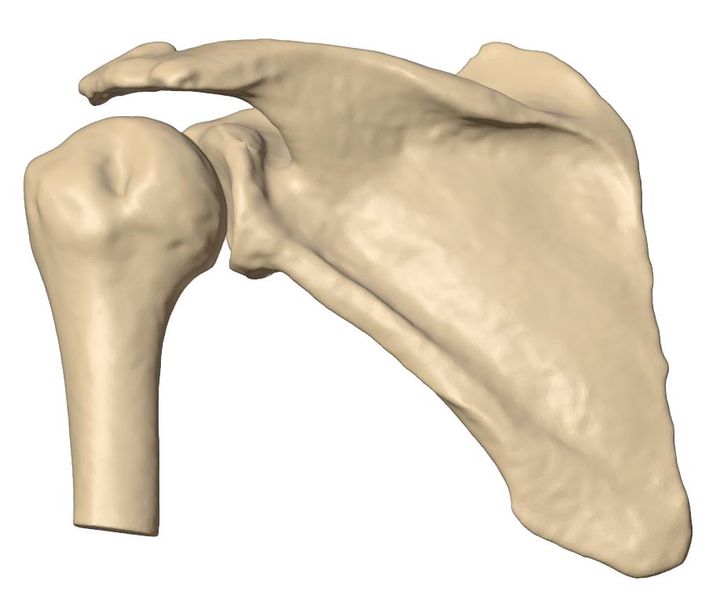
Defect size
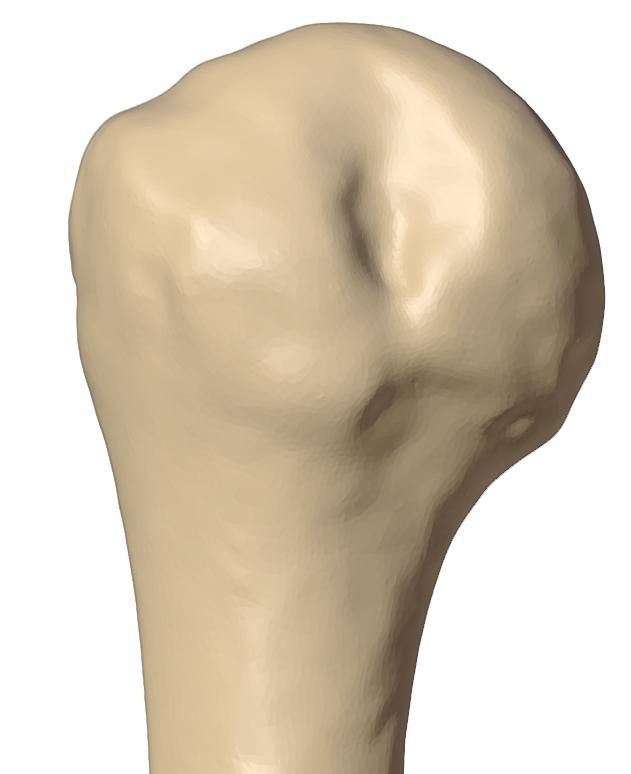
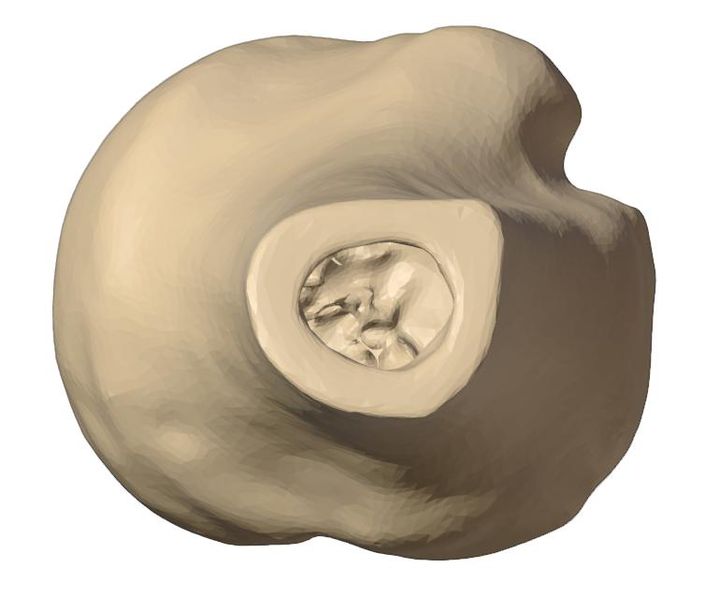
The humeral head defect is measured directly on the segmented model — 24 mm by 16 mm in this case — which sets the footprint of the implant.
Implant details
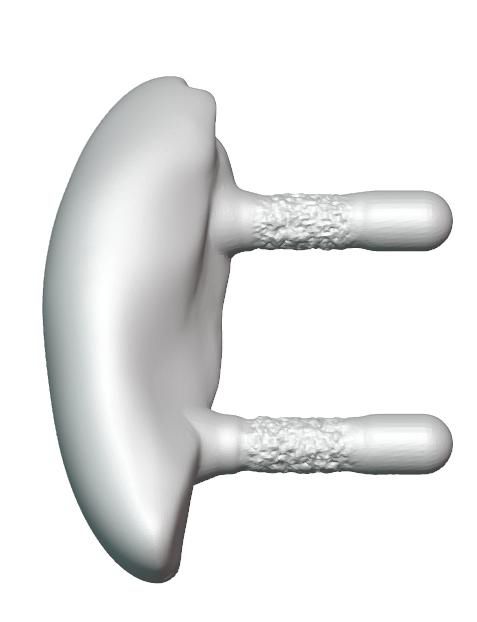
- Two pegs, 3.7 mm diameter × 15.0 mm length; peg hole drilled at 3.5 mm for an interference fit
- The first 5 mm of each peg is polished to help locate the drilled hole in the humeral head
- Chamfered rim and porous structure on the bone-facing surface
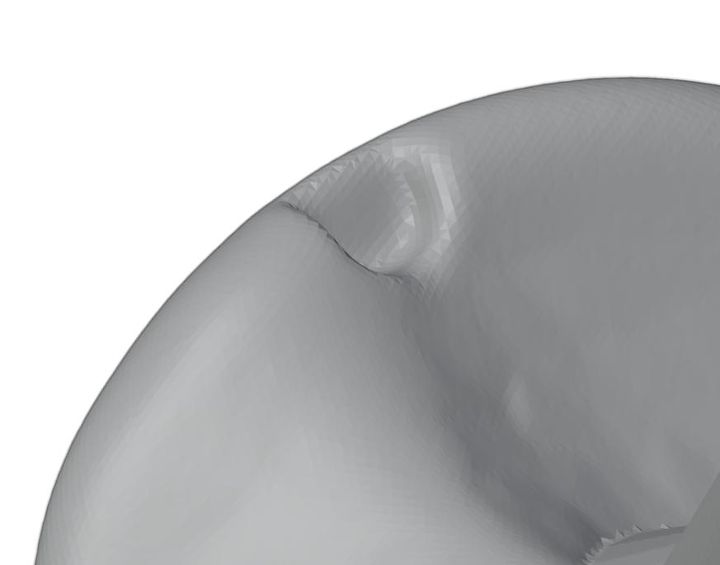
- Cutouts on the under-surface at 1.0 mm and 1.5 mm, 1.0 mm deep
- Implant boundary follows the curvature of the natural humeral head
Post-operative check
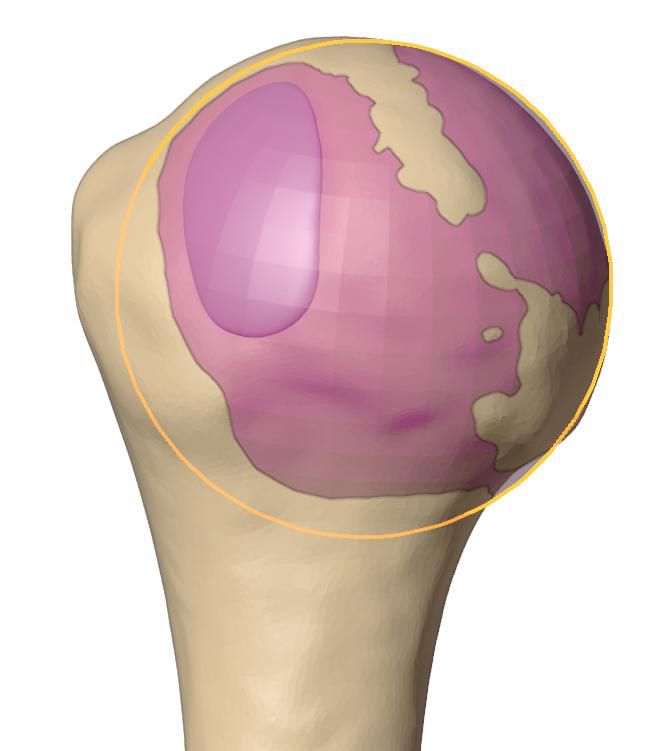
Three anatomical landmarks are used to confirm position: the lateral and medial end points of the anatomic neck and the lateral cortex below the greater tuberosity. The implant does not exceed the Iannotti circle in any view.
Confidential — Jajal Medical's intellectual property. Shown as a sample of planning output.
Planning a case? Send us the CT.
Send an anonymised scan and get your first 3D visualisation back within 24 hours.