
Custom Tibia Implant for Complex Tibial Reconstruction
Mirrored from the healthy tibia to restore alignment and limb length
Patient overview
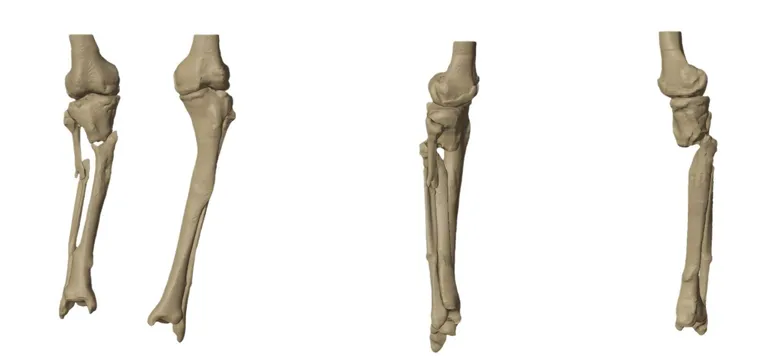
A 70-year-old male patient presented with a fractured right tibia following a lower limb injury. Due to the complexity and extent of the fracture, conventional fixation options were insufficient to restore proper limb alignment and function.
To ensure anatomical accuracy and long-term stability, the surgical team recommended a custom tibia implant to precisely reconstruct and align the fractured tibia.
Surgical planning
In close collaboration with the surgeon, the Jajal Medical 3D design team performed a detailed digital preoperative plan to ensure precision and predictability.
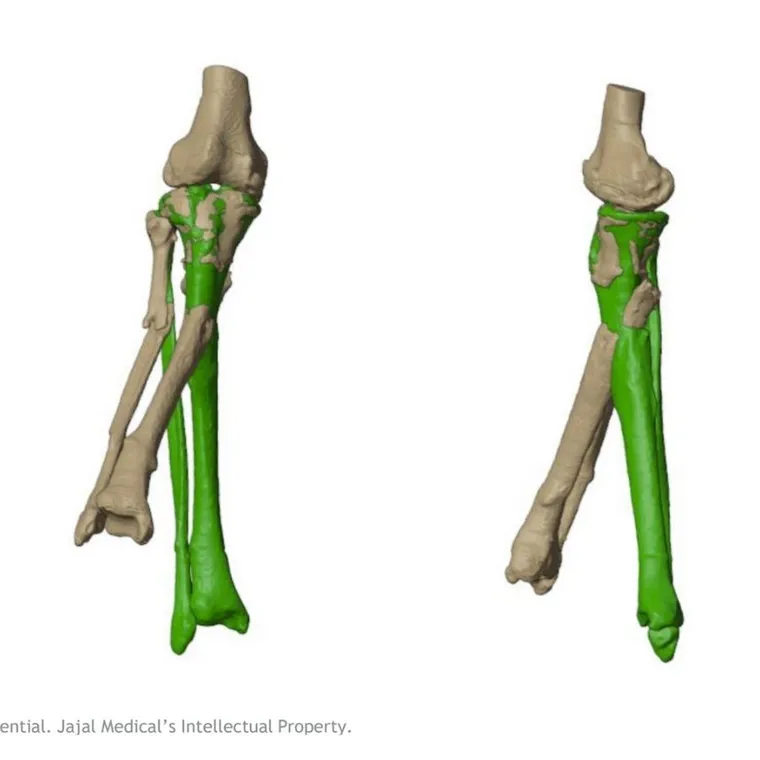
- CT-based 3D segmentation of both tibias
- The healthy left tibia mirrored and registered with the fractured right tibia for ideal alignment and equal limb length
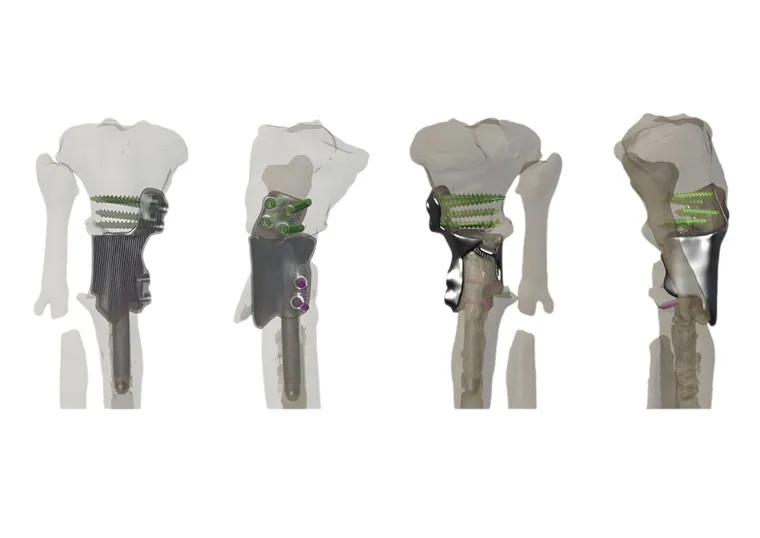
- A custom implant designed to match the patient’s bone geometry and fixation needs
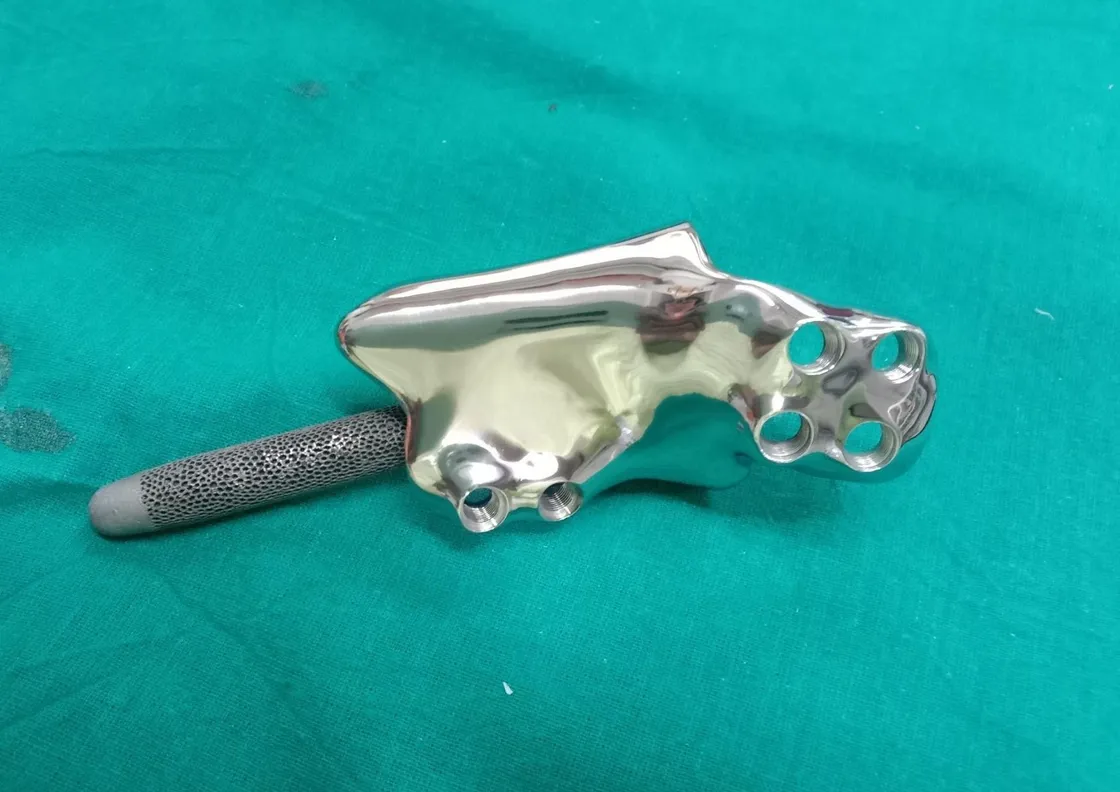
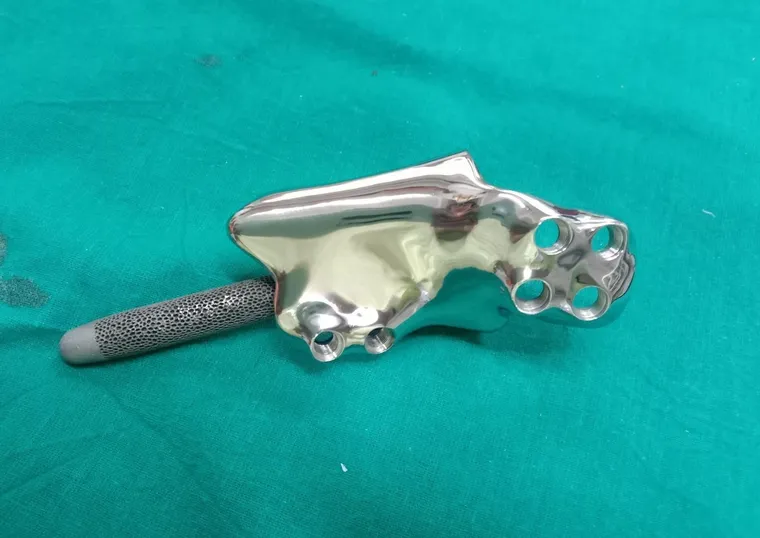
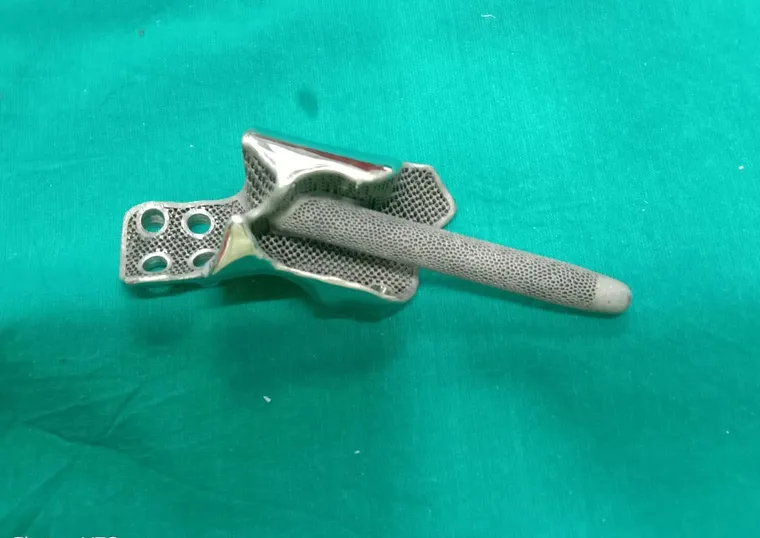
3D-printed, patient-specific implant
The custom tibia implant was manufactured using metal 3D printing in medical-grade titanium (Ti6Al4V), ensuring strength, biocompatibility and precision fit.
- Locking screw configuration for stable fixation and load transfer
- Intramedullary peg in the distal tibia to enhance rigidity and minimise micromotion
- Porous lattice at bone-contact regions to promote osseointegration
Post-op outcome
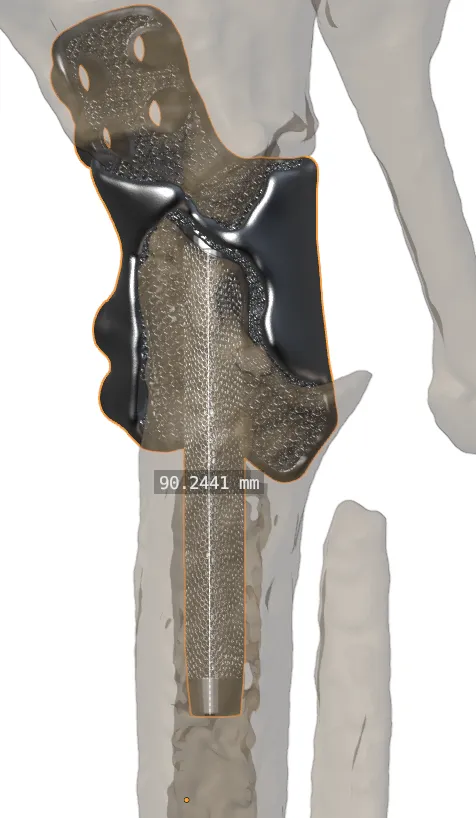
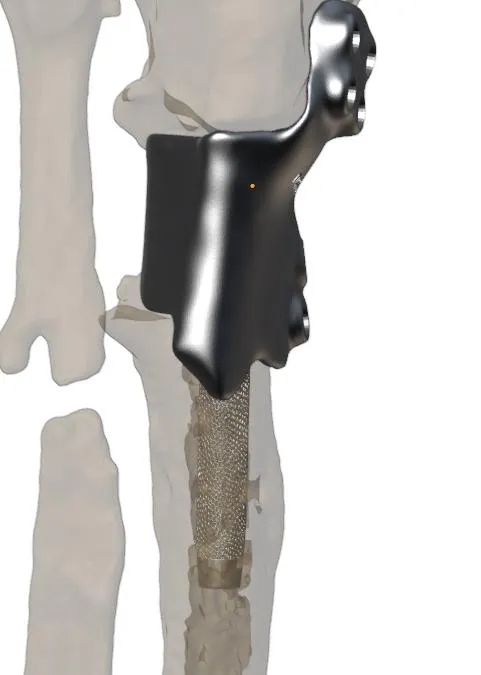
The custom tibia reconstruction was successfully performed. The implant fit precisely along the realigned tibial structure, achieving excellent fixation and anatomical balance between both limbs.
Early postoperative results demonstrated stable bone integration, proper load distribution and improved functional recovery.
Clinical impact
This case underscores the role of custom 3D-printed orthopaedic implants in complex tibial fractures where conventional fixation falls short — restoring limb length, stability and function through imaging, precise design and additive manufacturing.
Related cases
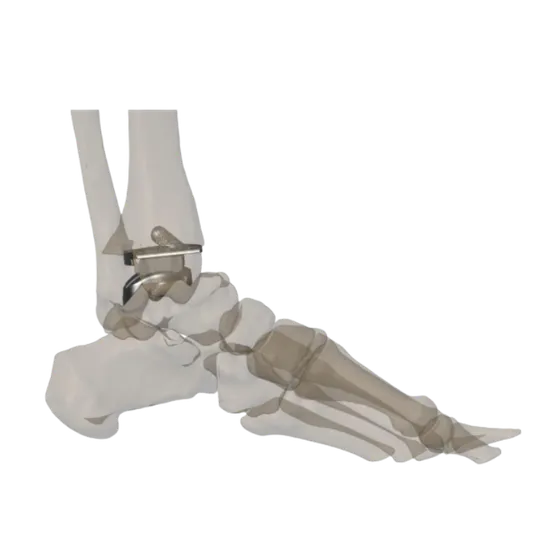 Ankle
AnkleCustom Total Ankle Replacement Using a Patient-Specific 3D-Printed Implant
A 48-year-old female with advanced osteoarthritis of the left ankle, where complex biomechanics and unique anatomy made conventional implant reconstruction difficult.
Read the case →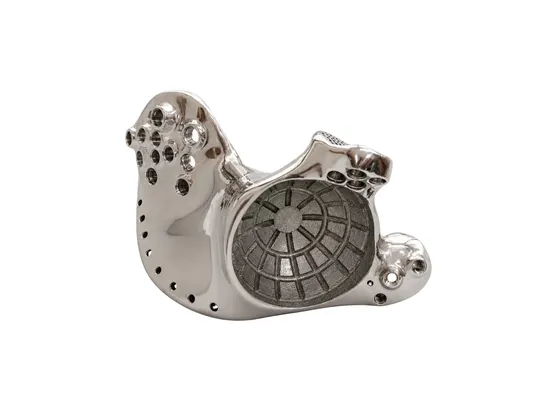 Oncology
Patient-Specific 3D Printed Hemipelvic Reconstruction with Constrained THA
Type I + II internal hemipelvectomy for Ewing's sarcoma
Read the case →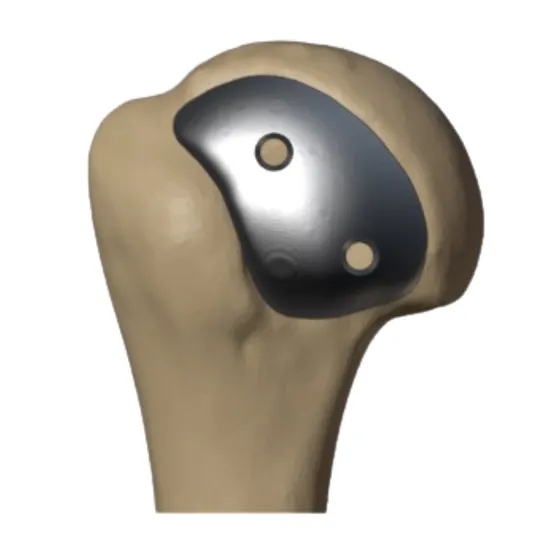 Shoulder
Custom Hill-Sachs Implant for Reconstruction of a Large Engaging Humeral Head Lesion
Patient-specific implant and drilling guide for a 22 × 41 mm humeral head defect
Read the case →Have a case like this?
Send the imaging and the clinical question — first 3D visualisation back within 24 hours.