
Reconstruction of Right Hemipelvis with a Customized Implant Solution
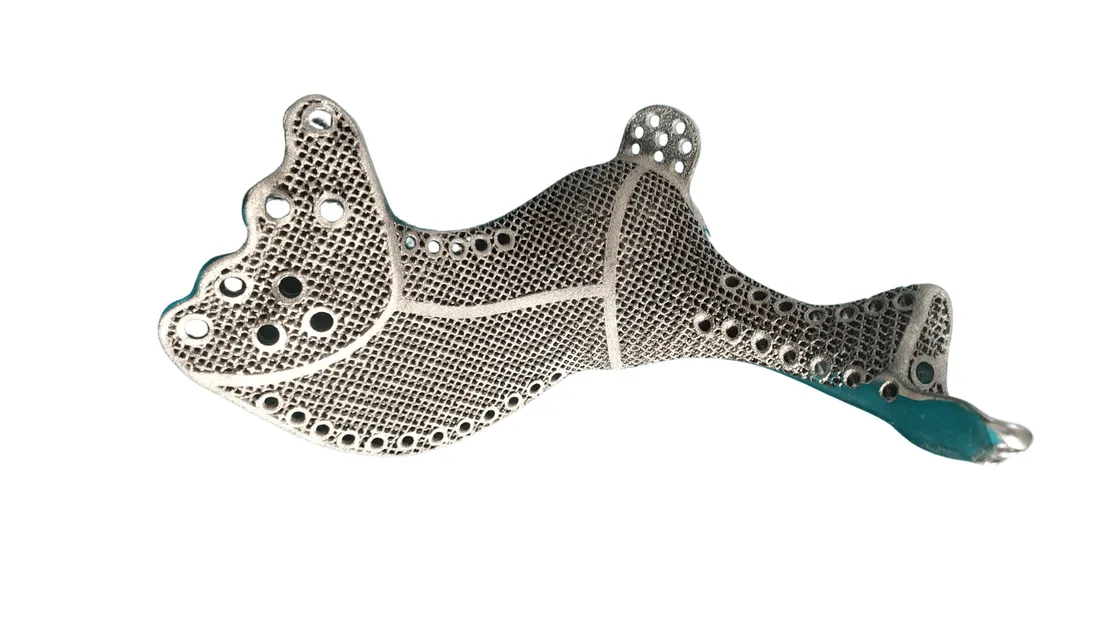
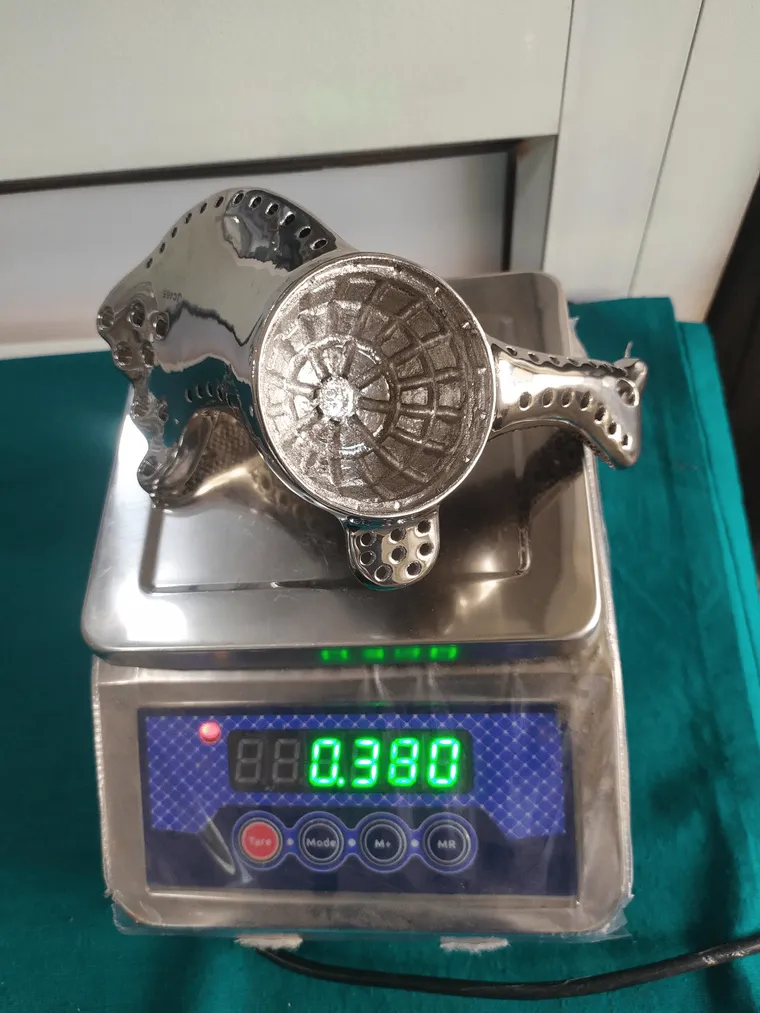
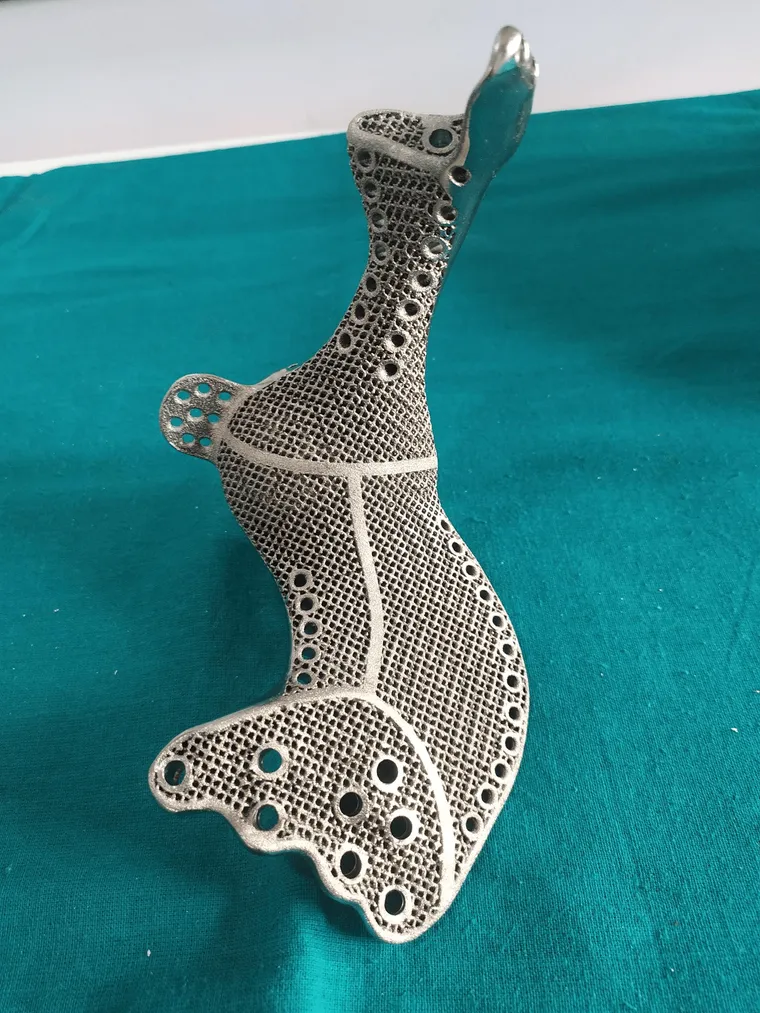
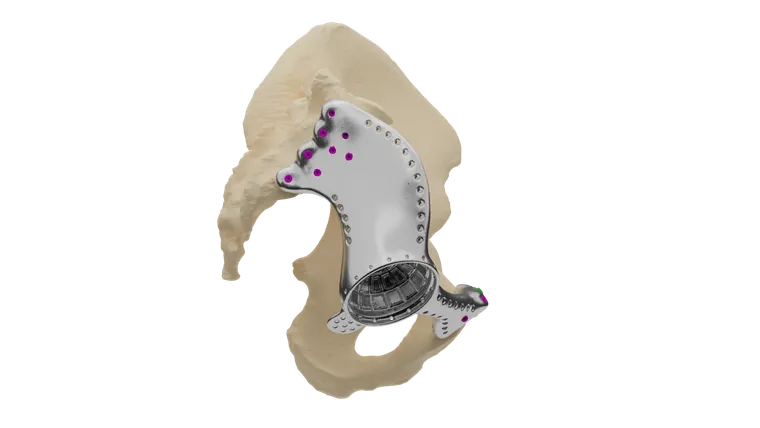
380 g lattice titanium hemipelvis replacing the resected right pelvis after tumour removal
Patient overview
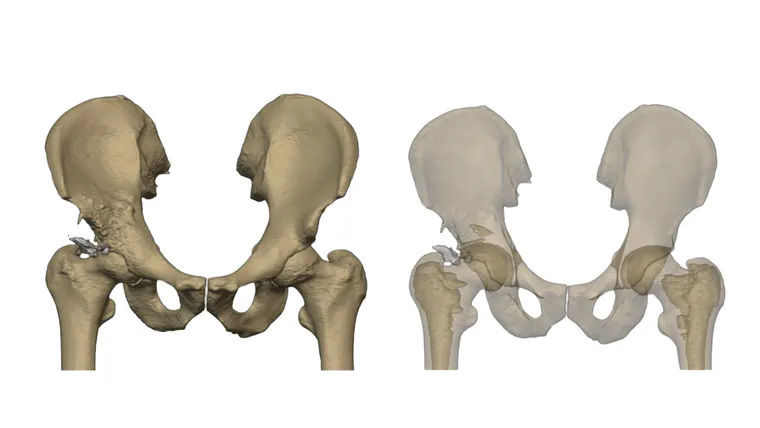
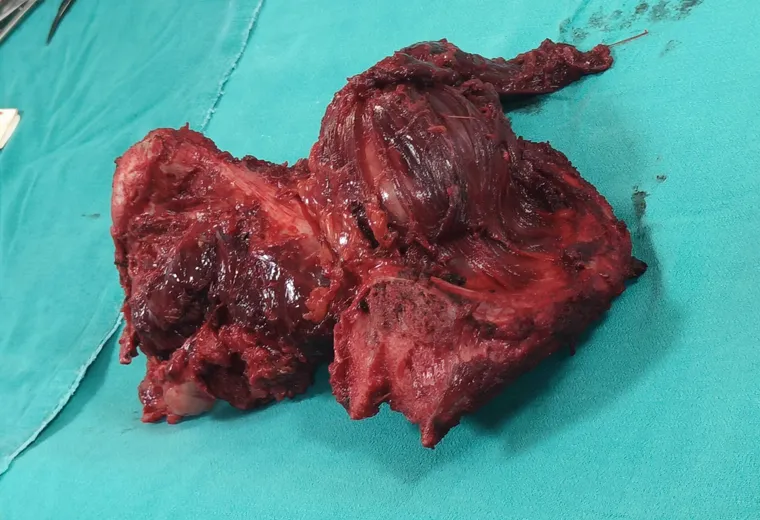
A 52-year-old male patient was diagnosed with a tumour in the right pelvis, significantly affecting the iliac bone. Due to the extent of bone involvement, surgical resection was deemed necessary to remove the tumour-affected bone entirely.
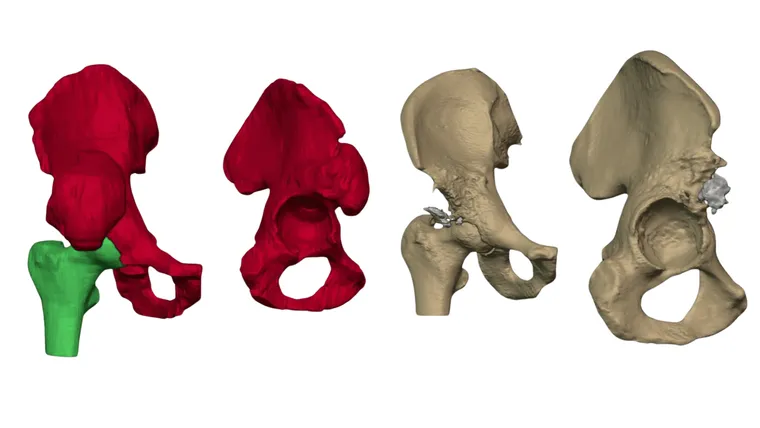
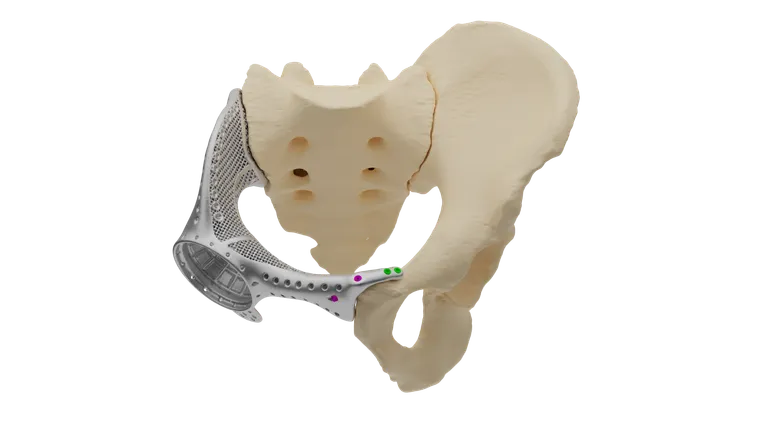
This created a major structural deficit, requiring a comprehensive reconstructive solution to restore pelvic integrity, hip joint function and overall mobility. Under the guidance of Dr. Subhash Jangid, a patient-specific 3D-printed hemipelvis implant was designed to replace the resected right pelvis.
Customized implant design
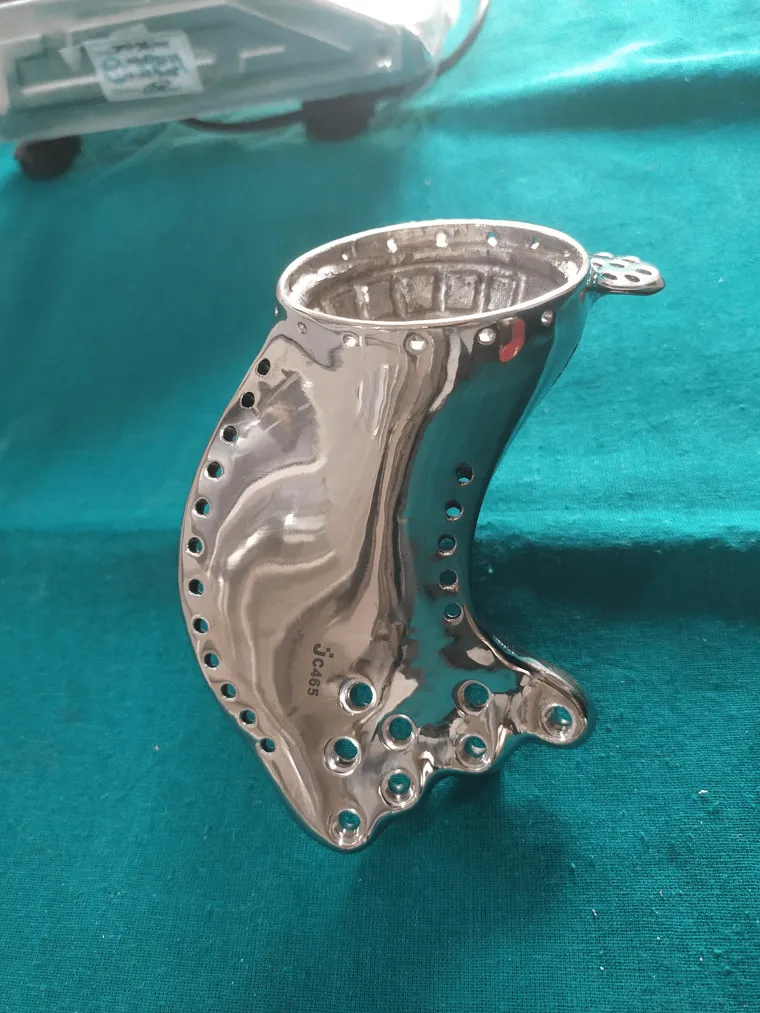
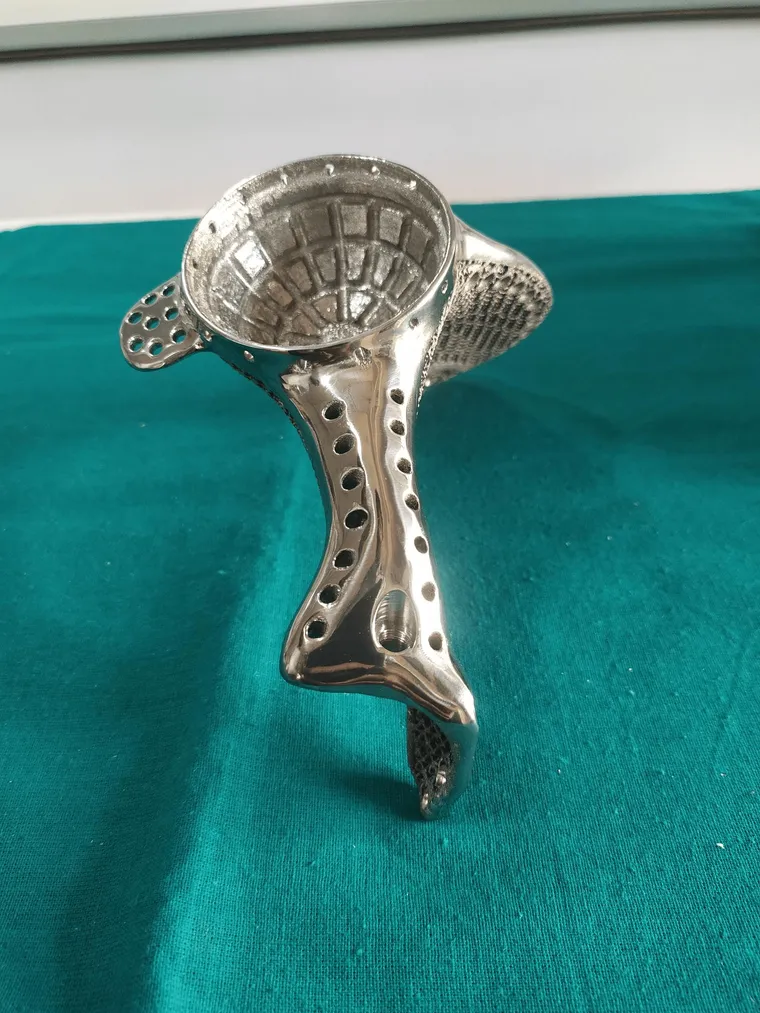
The design of the custom hemipelvis implant was meticulously developed to provide a functional and durable reconstruction, incorporating several advanced features.
- Acetabulum socket: a precisely contoured socket restoring the natural articulation of the hip joint for mobility and weight bearing
- Locking screw fixation: strategically placed screws into the sacrum and contralateral pubis, planned to avoid sensitive sacral nerves
- Lattice porous structure: promoting bone integration and long-term biological fixation, and reducing implant weight to 380 g
- Multiple suture holes: securing ligament and muscle attachment, particularly in the iliac region
- Polished surface: preventing wear and damage to the ligaments
Manufacturing
Using state-of-the-art metal 3D printing technology, the implant was manufactured in biocompatible titanium grade 5, offering high strength, corrosion resistance and optimal osteointegration properties.
Additionally, 3D bone models of the sacrum and contralateral pelvis were provided to assist the surgical team in preoperative planning and precise intraoperative positioning.
Surgical outcome
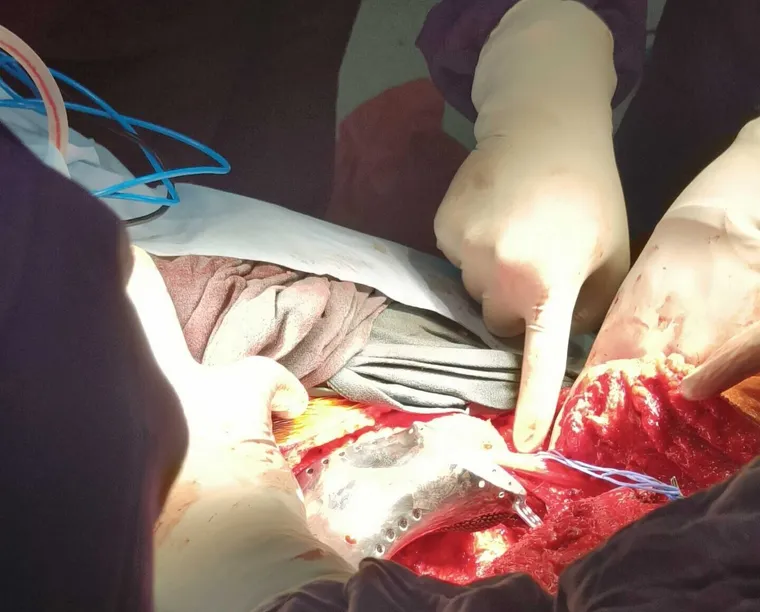
The surgery was performed successfully, with the implant achieving a precise anatomical fit. The customised solution not only restored pelvic structure and hip joint functionality but also provided the necessary stability for rehabilitation and future mobility.
Postoperative assessments confirmed optimal implant positioning, secure fixation and a favourable recovery trajectory, demonstrating the transformative potential of customised 3D-printed implants in complex orthopaedic reconstructions.
Related cases
 Pelvis
Pelvic Tumour Reconstruction Using Patient-Specific FTL Cup for Acetabular and Ischial Involvement
Planned resection, patient-specific jigs and custom fixation
Read the case →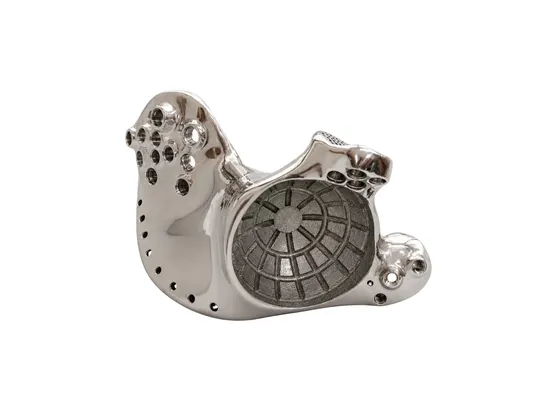 Oncology
Patient-Specific 3D Printed Hemipelvic Reconstruction with Constrained THA
Type I + II internal hemipelvectomy for Ewing's sarcoma
Read the case →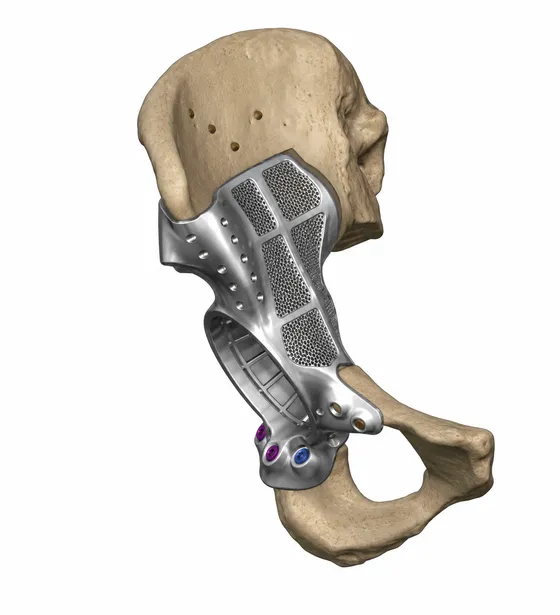 Oncology
Patient-specific FTL Cup for Tumor Resection and Acetabular Reconstruction
Pelvic tumour resection with cutting guides and a custom FTL cup
Read the case →Have a case like this?
Send the imaging and the clinical question — first 3D visualisation back within 24 hours.