
Reverse Shoulder Arthroplasty with a Patient-Specific Custom Glenoid Implant
ReGlen custom base plate for severe glenoid bone loss in rheumatoid disease
Patient overview
A 74-year-old female with long-standing rheumatoid arthritis presented with progressive pain and functional limitation of the left shoulder, with significant systemic involvement and prior bilateral total knee replacements.
One year earlier she underwent right reverse shoulder arthroplasty at the same centre, achieving excellent pain relief and full functional range of motion. Over the following months she developed worsening pain and restricted movement in the left shoulder.
Clinical evaluation
Examination revealed marked restriction of both active and passive shoulder movements with pain at end ranges.
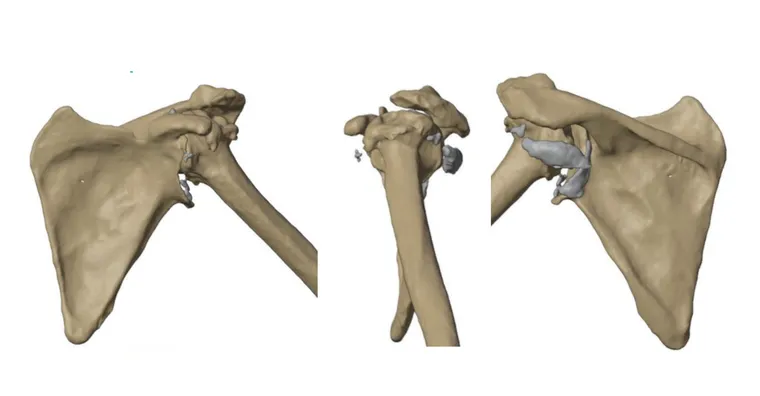
CT imaging demonstrated severe glenoid bone loss with a markedly small and dysplastic glenoid. The limited bone stock made a standard glenoid base plate unsuitable and posed a high risk of instability or failure with conventional techniques.
Surgical planning
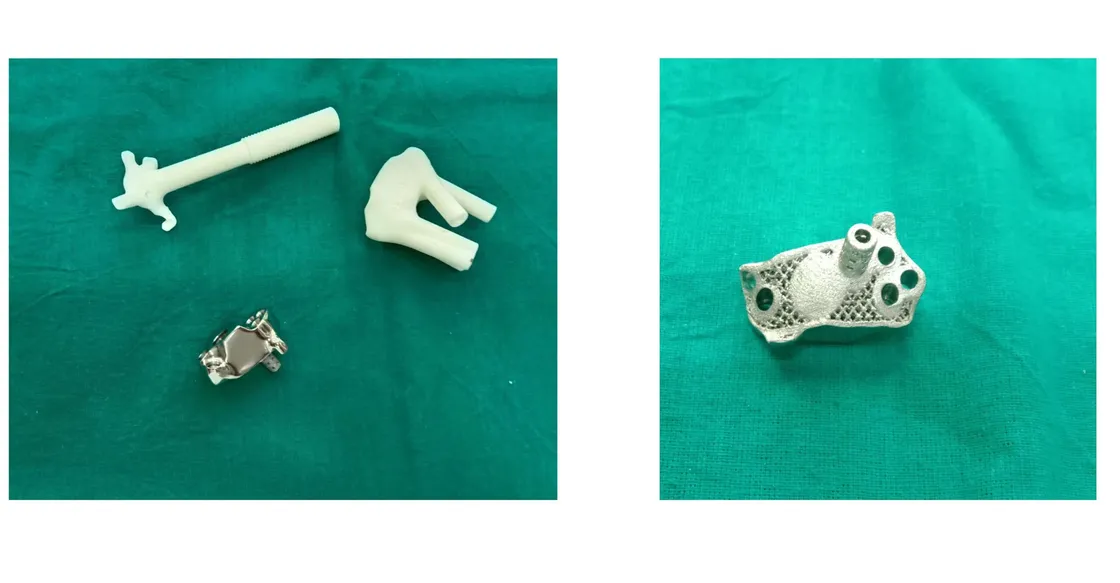
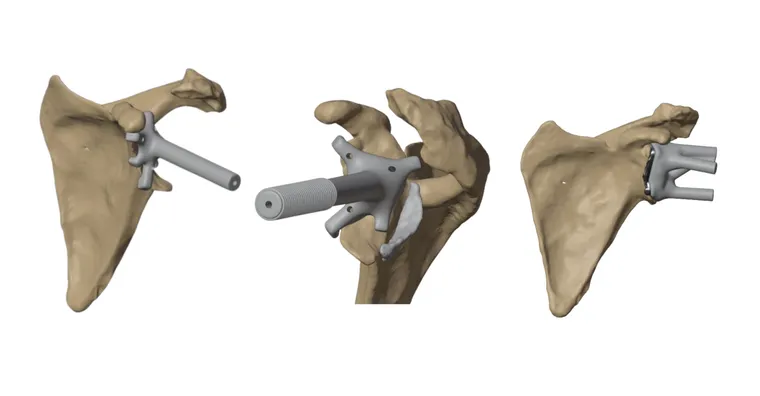
A CT-based 3D planning workflow was used to evaluate residual bone stock and reconstruct glenoid anatomy digitally. A customised ReGlen implant was then designed and manufactured by the JMS design team to achieve optimal alignment and stable fixation.
Custom glenoid implant design
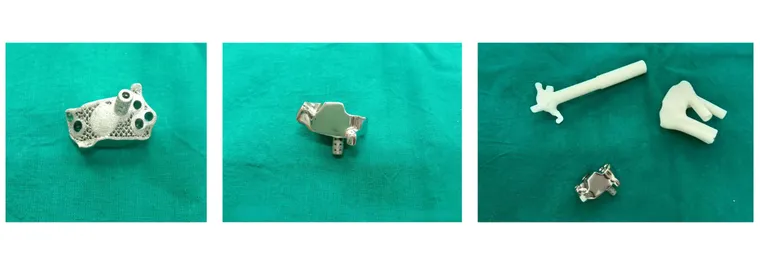
A patient-specific 3D-printed titanium glenoid implant was developed to match the patient’s anatomy and compensate for the severe bone loss.
- Custom-fit geometry restoring the deficient glenoid anatomy
- Augmented base plate structure compensating for bone deficiency
- Porous lattice surface promoting osseointegration and long-term fixation
- Optimised central peg fixation and screw orientation targeting maximum bone stock
Post-operative outcome
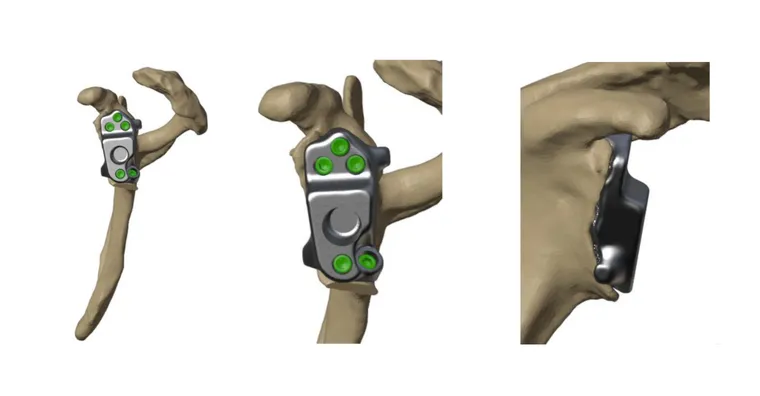
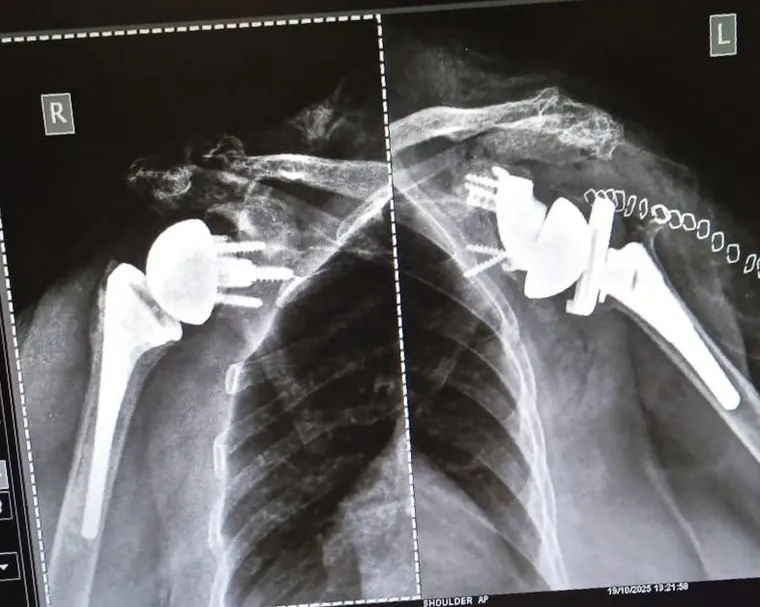
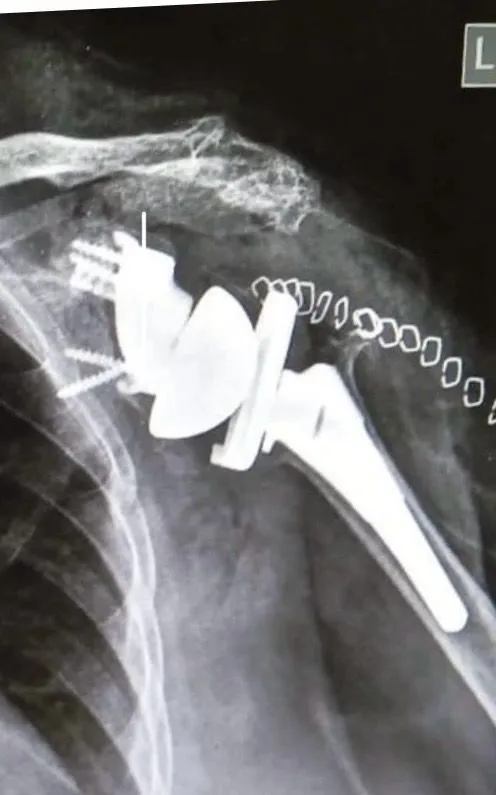
The customised implant was successfully implanted, achieving stable fixation and accurate glenoid reconstruction. Postoperative imaging confirmed proper implant positioning with a stable foundation for reverse shoulder arthroplasty.
Clinical impact
This case demonstrates the value of patient-specific 3D-printed implants in managing complex shoulder arthroplasty with severe glenoid bone loss, enabling successful reconstruction where conventional implants were not feasible.
Related cases
 Shoulder
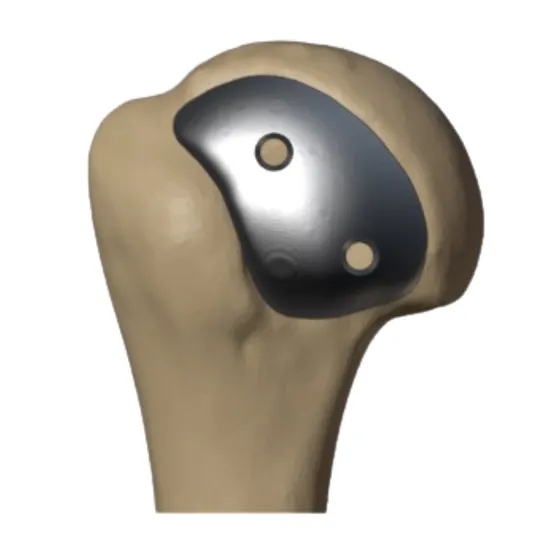
Custom Hill-Sachs Implant for Reconstruction of a Large Engaging Humeral Head Lesion
Patient-specific implant and drilling guide for a 22 × 41 mm humeral head defect
Read the case →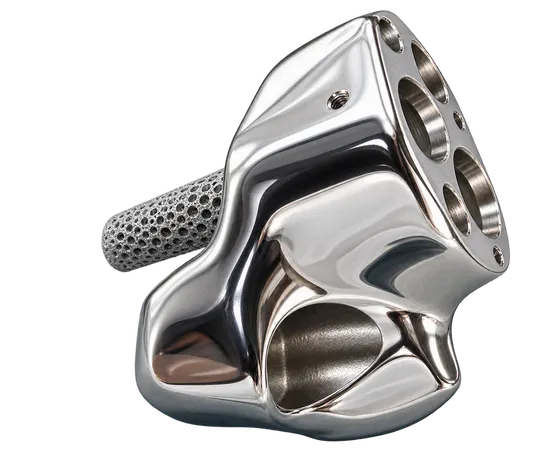 Shoulder
Custom ReGlen Implant for Complex Glenoid Reconstruction
Revision after failed shoulder arthroplasty with severe glenoid bone loss
Read the case →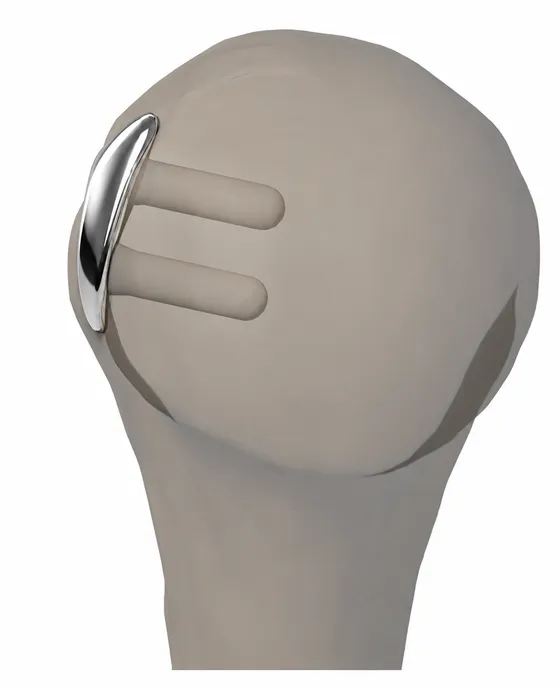 Shoulder
World's First Custom Implant for Hill Sachs Lesion
A pioneering “Fill Sachs” implant engineered to the patient's own humeral head curvature
Read the case →Have a case like this?
Send the imaging and the clinical question — first 3D visualisation back within 24 hours.