
3D Printing for Congenital Heart Disease (CHDs)
Ventricular septal defect modelled in resin to size the patch and plan the closure path
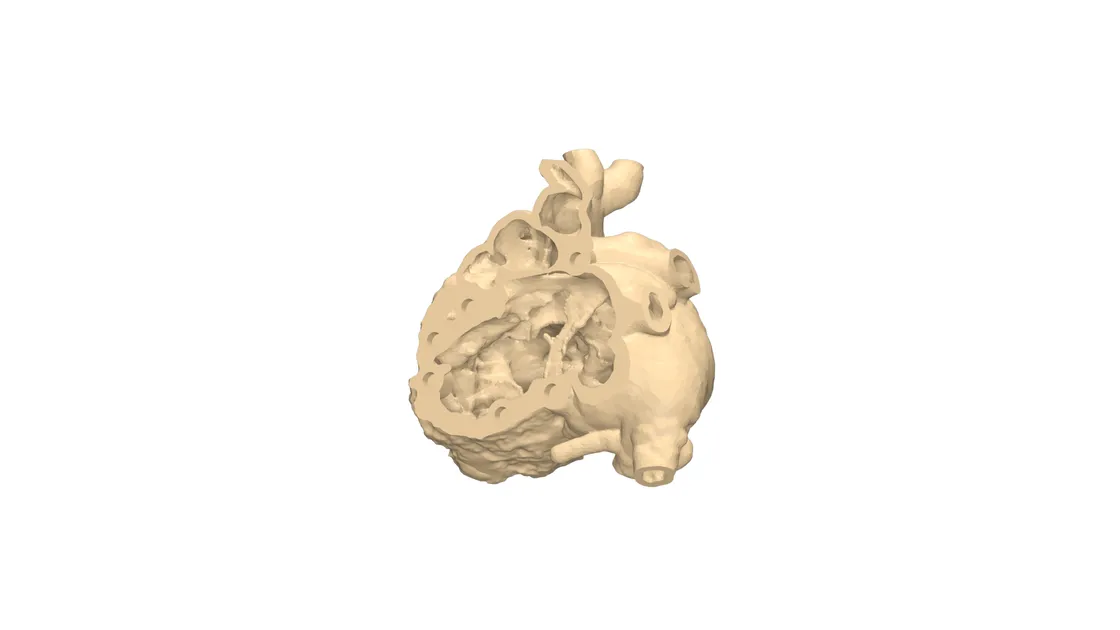
Ventricular septal defects
A ventricular septal defect occurs during pregnancy when the wall that grows between the two ventricles does not fully mature, producing a hole. In neonates with ventricular septal defects, blood frequently flows from the left ventricle to the right ventricle and into the lungs.
The excess blood pushed into the lungs strains the heart and lungs. If not corrected, this condition can eventually lead to heart failure, pulmonary hypertension, arrhythmia or stroke.
Case information
The infant was diagnosed with VSD. During radiological analysis it was observed that the infant was suffering from the defect, and the surgeon reached out to Jajal Medical for 3D visualisation before performing any surgery.
Visualisation
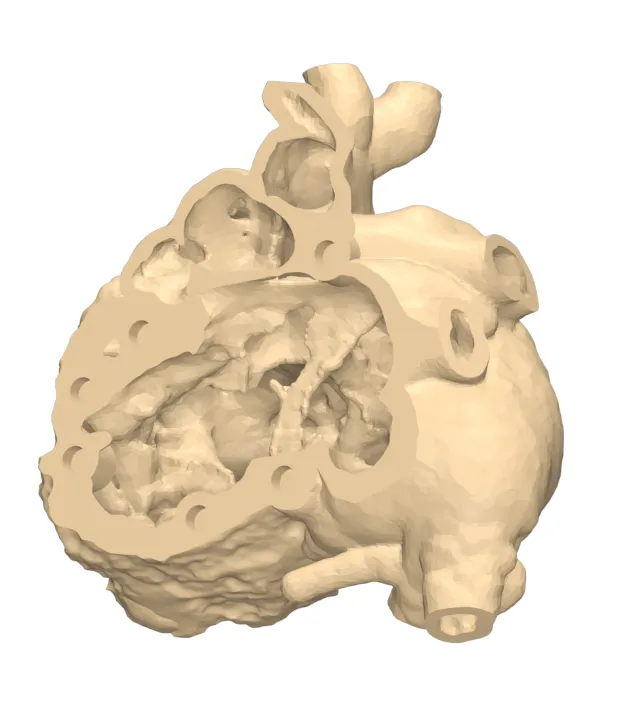
CT scan data was used with the scan acquisition protocol. The region of interest was segmented by our imaging experts, preserving all anatomical detailing that could have clinical significance. 3D models and animation were shared with the surgeon for the initial 3D assessment of the case.
Planning and printing
Our clinical engineers helped the surgeon plan according to the defect. The right patch size and the closure path were determined based on the surgical approach, and the post-op result was analysed virtually.
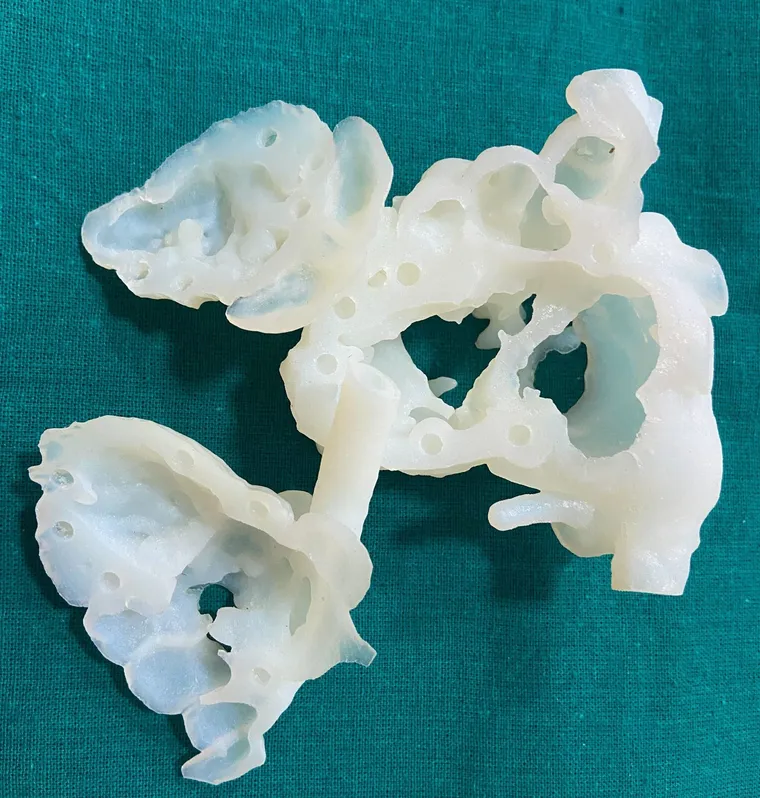
The model was printed with full accuracy and anatomical detail to help the surgeon plan the surgery with better visualisation. Advanced 3D printing using photosensitive resin material was used.
Conclusion
The pre-surgical planning method, which included a custom-printed 3D model, let the surgeon visualise the procedure and make better planning decisions.
Related cases
 Spine
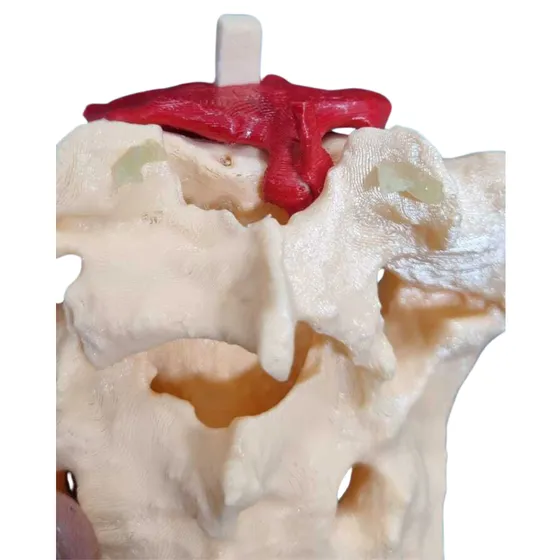
Spine3D Printing for Precision Lumbar Spine Surgery
L4-L5 herniated disc modelled from CT and MRI for a minimally invasive approach
Read the case → Chest wall
Custom Sternum Implant
Single-component sternum-ribs titanium implant after subtotal sternectomy for a sternal tumour
Read the case → Ankle
AnkleCustom Total Ankle Replacement Using a Patient-Specific 3D-Printed Implant
A 48-year-old female with advanced osteoarthritis of the left ankle, where complex biomechanics and unique anatomy made conventional implant reconstruction difficult.
Read the case →Have a case like this?
Send the imaging and the clinical question — first 3D visualisation back within 24 hours.